
The California CARS Act took effect October 1, 2026, changing how licensed California dealers advertise prices, disclose optional products and handle eligible used-car cancellations. The state law applies to many light-duty vehicles sold or leased by licensed dealers, but it does not turn every vehicle purchase into an unrestricted return.
For shoppers, the practical change is simple: ask for the total price in writing before visiting the store, identify every optional product, and understand the return conditions before driving away. Keep dated copies of every quote and disclosure. This guide summarizes the California DMV’s consumer guidance; it is not legal advice.
Quick answer: California SB 766 generally requires a clear total price in ads and initial written communications involving a specific vehicle or financing terms. It also creates a three-day cancellation right for qualifying used vehicles priced at $50,000 or less, subject to vehicle, mileage, condition and fee rules.

California CARS Act: 7 Rules Buyers Should Know
| Rule | Buyer takeaway |
|---|---|
| 1. Effective date | The protections became operative October 1, 2026. |
| 2. Dealer scope | They apply to licensed California dealers and covered light-duty vehicles. |
| 3. Total price | A specific-vehicle ad or first written communication must clearly present the total price. |
| 4. Add-ons | Optional products must be identified as optional and accepted in writing. |
| 5. Used-car cancellation | Eligible used vehicles at $50,000 or less receive a three-day cancellation right. |
| 6. Conditions | Mileage, condition, timing and restocking-fee requirements can apply. |
| 7. Records | Keep the ad, quote, contract, disclosures and return paperwork. |
How the California Car Dealer Total Price Rule Works
The California car dealer total price requirement matters before negotiation begins. According to the California DMV, an advertisement or initial written communication that references a specific vehicle or financing terms must show the total price clearly and conspicuously. The same principle applies to the dealer’s first email, text, document or form about that vehicle or financing offer.
A buyer should save a screenshot of the listing and request a written itemization. Compare that figure with the purchase order and the out-the-door price and dealer-fee checklist. Taxes and government charges still require separate attention, so “total price” should not be confused with the final amount financed.
If a dealer quotes a monthly payment, ask for the vehicle price, annual percentage rate, term, down payment and total of payments. A low payment can hide a longer term or expensive optional products.
Optional Add-Ons Must Be Clear
The California DMV says products such as service contracts, GAP coverage and theft-protection products must be disclosed as optional in writing before signing. The law also targets products that provide no meaningful benefit to that customer or vehicle.
Do not evaluate an add-on only by its monthly cost. Ask for the cash price, cancellation terms, exclusions and provider. For financing protection, review Carvul’s used-car GAP insurance guide. For service coverage, compare the contract with the factory warranty and likely repair risk.
Three-Day Used Car Return in California
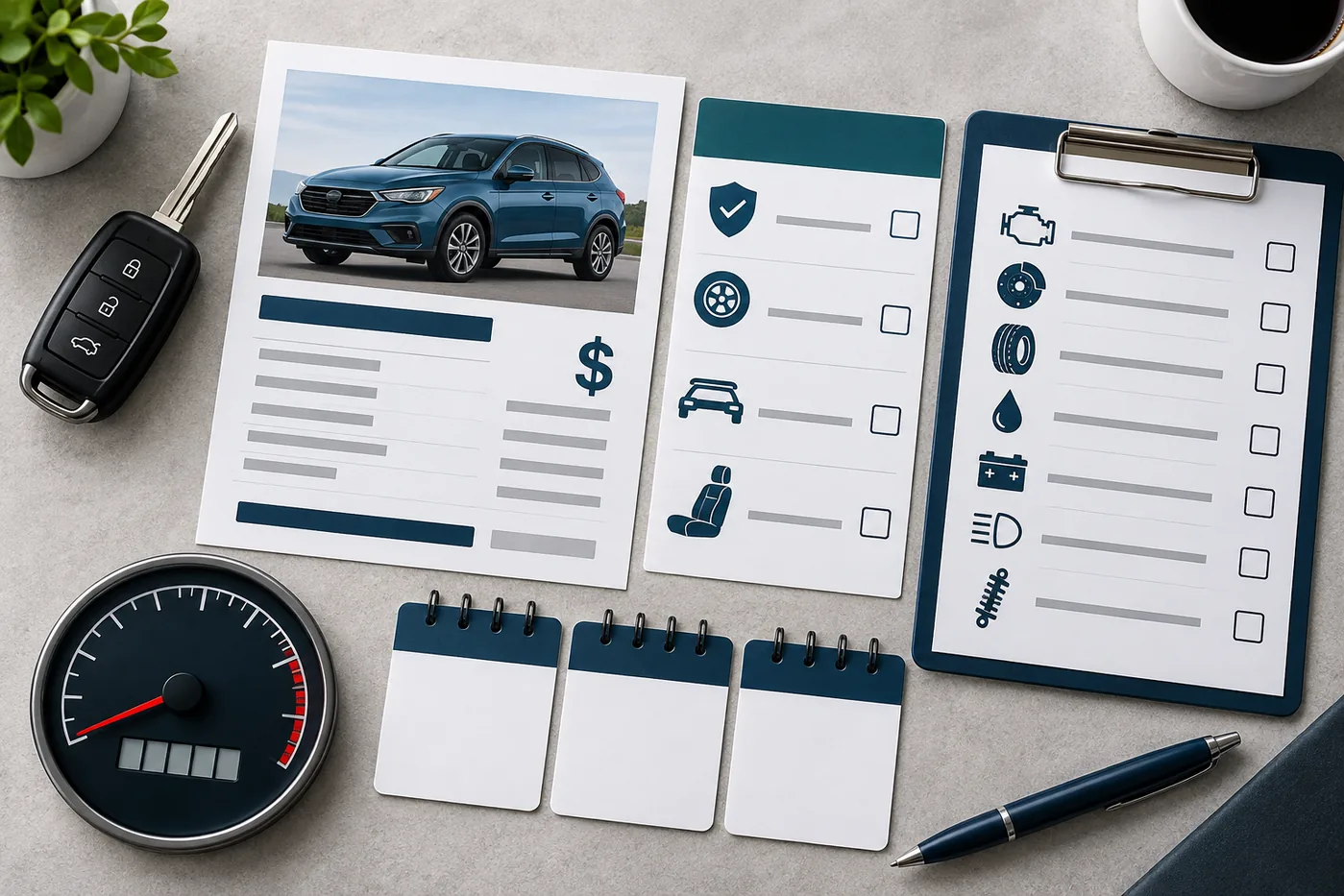
The three day used car return California provision covers qualifying used vehicles valued at $50,000 or less. The DMV describes a three-day cancellation right for any reason, including weekends, but conditions apply. Its summary notes mileage limits around 400 miles and possible restocking fees from $200 to $600.
This is not a universal cooling-off period for all purchases. New vehicles, private-party sales, auction transactions, heavy vehicles and other excluded transactions may fall outside the rule. Read the dealer’s written cancellation disclosure and the exact contract. Do not rely on a salesperson’s verbal summary.
A cancellation right is also not a substitute for due diligence. Complete an independent inspection, title and history review, recall check and test drive before purchase. Start with the Carvul used-car inspection checklist.
California Used Car Return Law Buyer Checklist
- Confirm that the seller is a licensed California dealer.
- Save the original listing and first written price communication.
- Request the total price and estimated out-the-door price in writing.
- Mark every add-on as accepted or declined before signing.
- Read the cancellation deadline, mileage ceiling, condition rules and restocking fee.
- Photograph the odometer and vehicle condition at delivery.
- Keep copies of the contract, inspection, history report and all messages.
If a dealer does not comply, the California DMV provides an online complaint process and license-status lookup. A civil dispute may require individual legal advice; Carvul cannot determine whether a particular transaction qualifies.
California SB 766 FAQ
Does the California CARS Act apply to private sellers?
The DMV summary describes protections involving licensed California dealers. Do not assume a private-party transaction receives the same cancellation right.
Can every used car under $50,000 be returned?
No. Price is only one condition. Seller type, vehicle class, transaction type, mileage, timing and condition can affect eligibility.
Does three days mean three business days?
The DMV consumer page says three days including weekends. Use the exact deadline stated in the written disclosure, especially when the dealership is closed.
Bottom Line
The California CARS Act gives shoppers stronger pricing and cancellation protections, but buyers still need written records and a pre-purchase inspection. Treat the law as an added safety net, not permission to skip the VIN, title, financing and mechanical checks.
Sources reviewed October 1, 2026: California DMV CARS Act guidance and California Legislative Information. The DMV states that its page is a summary and the statutory text controls.