
Quick answer: The main difference between certified pre-owned and regular used cars is not simply age or mileage. CPO vehicles enter a defined program with eligibility, inspection and warranty rules. Regular used cars cover a much wider range of sellers, conditions and coverage. Either can be the better purchase.
Certification is evidence to review, not a substitute for checking condition, documents and complete cost. Program terms vary by manufacturer, tier, vehicle and sale date.
Quick Comparison
CPO usually offers program-backed inspection and limited coverage at a higher price. Regular used inventory is broader and often cheaper, but warranty and inspection evidence vary. Both require VIN checks, history review, a real test drive and an independent pre-purchase inspection.
Warranty and Repair Risk
Read the written warranty rather than assuming CPO means bumper-to-bumper protection. Compare start date, expiration, mileage cap, deductible, exclusions, repair network and transfer rules. A regular used car may still have remaining factory coverage or may be sold without dealer coverage.
Inspection and Reconditioning
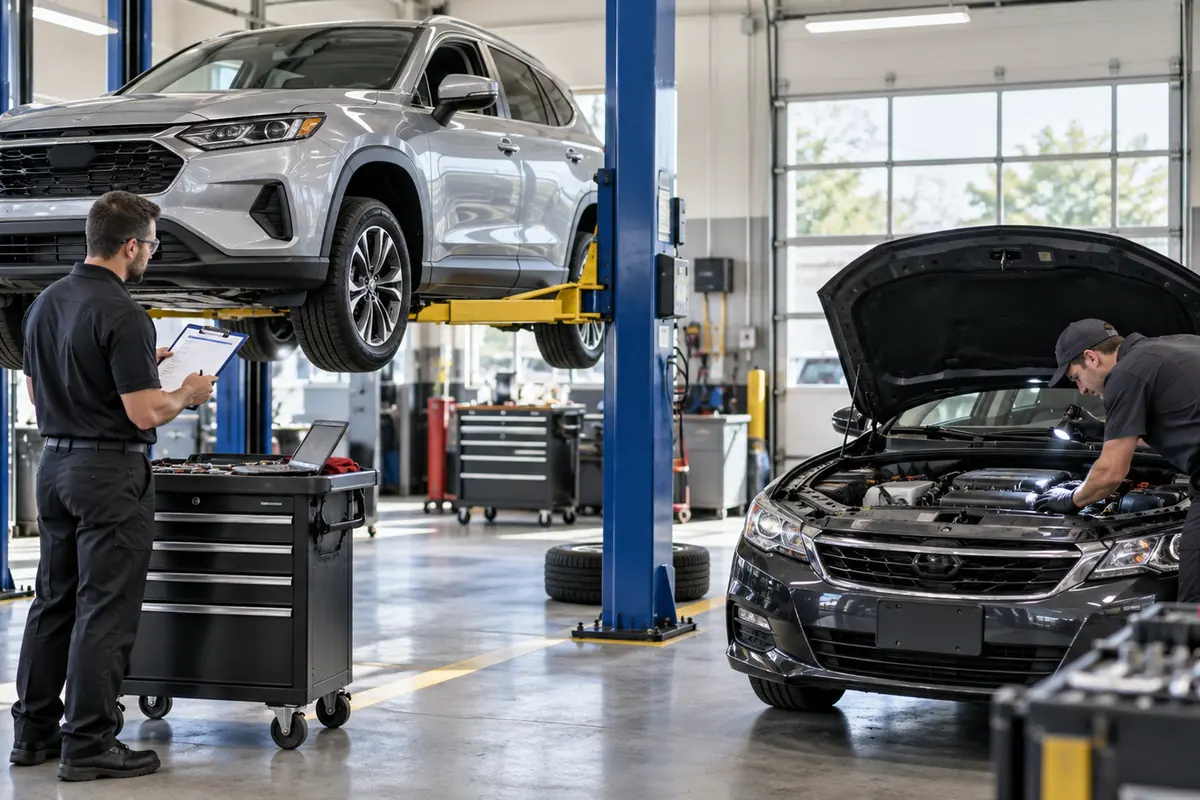
CPO programs define inspection standards, but a completed vehicle-specific report matters more than a point-count headline. A regular used car can be equally sound if condition and records are strong. In both cases, use an independent mechanic to confirm present condition.
Price and Financing
CPO prices often sit above comparable regular used cars. Compare matched vehicles and itemized out-the-door offers. Manufacturer financing can help, but compare APR, term and total payments. Do not let a low monthly payment hide a longer or more expensive loan.
Inventory and Choice
Regular used inventory offers more ages, mileages and price points. CPO selection is limited by program eligibility and participating dealers. A buyer with a strict budget may find better value outside CPO, while a buyer seeking a newer car with documented coverage may prefer CPO.
Which One Fits You?
Choose CPO when verified coverage and reconditioning justify the premium. Choose regular used when condition, records and price are stronger and you can maintain a repair reserve. Walk away from either when VIN, title, inspection or contract evidence does not align.
Practical Buyer Checklist
- Match the VIN across the car and documents.
- Get the completed inspection report.
- Read the warranty and calculate its clock.
- Check title, history and NHTSA recall status.
- Arrange an independent pre-purchase inspection.
- Request an itemized out-the-door price.
- Compare APR, insurance and first-year costs.
- Put every promise in writing.
Questions to Ask the Dealer
Ask who backs the certification, whether the VIN is enrolled, what was repaired, when each coverage layer expires, which components are excluded, where claims can be handled, whether coverage transfers, and whether an independent inspection is permitted. Carvul’s used-car dealer questions can help organize the conversation.
Certified Pre-Owned vs Used Cars: Side-by-Side
Quick answer: the key difference between certified pre-owned vs used cars is documented program protection. A manufacturer CPO vehicle must meet brand eligibility rules and include program paperwork. A regular used car can still be excellent, but condition and protections need separate verification.
| Question | Manufacturer CPO | Regular used |
|---|---|---|
| Eligibility | Automaker rules | No universal program |
| Inspection | Completed program checklist | Varies; arrange a PPI |
| Warranty | Written CPO plus remaining factory coverage | Factory, dealer, third-party, or as-is |
| Price | Often includes a premium | Often lower; condition varies |
Compare Equivalent Vehicles
Match model year, trim, drivetrain, mileage, history, and condition. A cheap used car with worn tires is not equivalent to a reconditioned CPO example. A high-priced CPO car is not automatically superior if its coverage is short or documents are missing.
Review the vehicle history report guide and arrange an independent inspection for either choice.
Warranty and Financing Need Separate Review
The FTC Buyers Guide guidance explains warranty or as-is disclosures, but does not summarize every CPO benefit. Obtain the CPO contract separately. Compare APR, loan term, amount financed, and total interest rather than monthly payment alone.
Carvul’s CPO warranty comparison explains terms that vary by program.
Choose CPO, Used, or Walk Away
- Choose CPO when documentation is complete and the premium buys useful protection.
- Choose regular used when condition, records, inspection, and total cost are stronger.
- Walk away when title, VIN, warranty, inspection, or pricing cannot be verified.
Use Carvul’s U.S. used-car buying guide for the full transaction.
Frequently Asked Questions
Is CPO safer than used?
The answer depends on the written program, the exact vehicle and the transaction. Verify the VIN-specific inspection and warranty, compare the complete cost and use an independent inspection instead of relying on the certification label alone.
Can a regular used car have a warranty?
The answer depends on the written program, the exact vehicle and the transaction. Verify the VIN-specific inspection and warranty, compare the complete cost and use an independent inspection instead of relying on the certification label alone.
Is a CPO inspection enough?
The answer depends on the written program, the exact vehicle and the transaction. Verify the VIN-specific inspection and warranty, compare the complete cost and use an independent inspection instead of relying on the certification label alone.
Which depreciates faster?
The answer depends on the written program, the exact vehicle and the transaction. Verify the VIN-specific inspection and warranty, compare the complete cost and use an independent inspection instead of relying on the certification label alone.
Final Takeaway
A strong CPO purchase is supported by matching documents, useful remaining coverage, acceptable condition and a competitive total price. If certification cannot be verified or the dealer blocks reasonable review, keep shopping.
Sources: FTC used-car dealer guidance; NHTSA recall lookup. Manufacturer terms must be verified in the current official program documents for the exact VIN.