
Carvul U.S. Buyer Guide
This avoid buying a bad used car guide is written for U.S. shoppers who want a practical shortlist, realistic ownership costs, and a cleaner path to a confident car purchase.
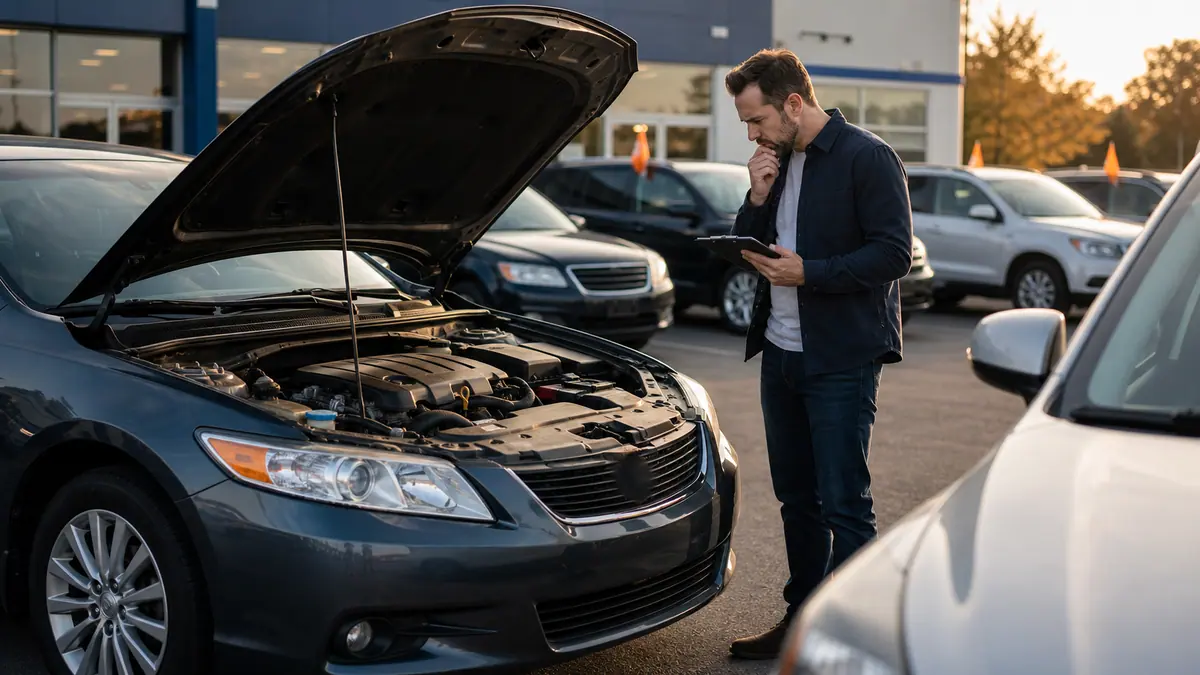
avoid buying a bad used car: Key Takeaways
- Compare the seller story with the vehicle history and inspection results.
- Budget for immediate repairs before deciding whether the deal is truly cheap.
- A clean pre-purchase inspection is often worth more than a small discount.
Learning how to avoid buying a bad used car can save you thousands of dollars. Most bad purchases happen because buyers rush, skip checks, or trust the seller’s story more than the evidence.
Use this guide to spot red flags before you pay for a vehicle that may become expensive immediately.
Quick Answer
how to avoid buying a bad used car comes down to matching your budget with safety, condition, ownership cost, and real-world availability. Before buying, compare several listings, check the VIN for recalls, review maintenance records, confirm the title status, take a proper test drive, and pay for an independent inspection when the car is a serious candidate. A good deal is not only a low advertised price; it is a car that still makes sense after taxes, fees, insurance, repairs, and fuel.
Best Picks and Shortlist Strategy
| Priority | What to choose | Why it matters |
|---|---|---|
| Budget control | Common compact or midsize models | Lower parts and insurance costs |
| Reliability | Models with strong maintenance records | Condition beats reputation alone |
| Safety | Cars with good crash ratings and working safety tech | Especially important for new drivers |
| Fuel cost | Compare MPG on FuelEconomy.gov | Small savings compound over years |
What to Check Before You Buy
- VIN and title must match.
- No unresolved safety recall should be ignored.
- Service records should support the mileage.
- Tires, brakes, suspension, and fluids should match the asking price.
- A cold start should be smooth, without smoke or loud ticking.
Budget and Ownership Costs
Do not spend the full budget on the purchase price. Keep money aside for registration, insurance, oil change, tires, brakes, battery, and small repairs. Used cars often need attention shortly after purchase, even when they are good cars.
Safety and Recall Checks
Use the NHTSA recall lookup before buying. If you are shopping for a teen or first driver, compare your shortlist with IIHS used-vehicle safety recommendations. A car that is cheap but weak on safety can be a poor long-term choice.
Common Mistakes to Avoid
- Buying the first clean-looking car you see.
- Skipping a mechanic inspection because the seller seems trustworthy.
- Ignoring tire age and brake condition.
- Assuming a clean interior means good mechanical health.
- Accepting late dealer fees without asking for the out-the-door price.
How This Article Fits the Buying Guides Cluster
For the full process, start with the complete used car buying guide. You can also compare this topic with the inspection checklist and the bad-used-car red flag guide.
Biggest Red Flags
- Seller refuses inspection.
- VIN is hidden or does not match.
- Title is not in the seller name.
- Car is warmed up before you arrive.
- Check engine light was recently cleared.
- Price is far below market.
- Dealer will not provide an out-the-door price.
Scams and Pressure Tactics
Be careful when a seller says there are many buyers waiting, asks for a deposit before you see the car, avoids written answers, or changes the meeting location repeatedly. Real sellers can still be busy, but honest transactions become clearer as you ask normal questions.
Safe Buying Process
- Meet in a safe location.
- Verify ID and title.
- Do not carry large cash unnecessarily.
- Use a traceable payment method when possible.
- Get a signed bill of sale.
- Do not skip insurance before driving away.
Professional Buying Notes
When evaluating how to avoid buying a bad used car, do not let one attractive listing or one impressive feature control the whole decision. A professional buying process compares the vehicle’s real condition, ownership history, service records, financing terms, and insurance cost. This matters especially for U.S. shoppers because state taxes, registration fees, inspection rules, and local inventory can change the final value of the same vehicle.
What Makes a Strong Choice?
A strong choice is usually the vehicle that still makes sense after the first year of ownership. That means you should think beyond the purchase price and include tires, brakes, fluids, battery age, recall status, title history, fuel cost, and expected resale value. If two cars look similar online, the one with clearer maintenance records and fewer risk signals is often the better buy.
How to Use This Guide Before You Buy
- Save two or three comparable listings before contacting a seller.
- Ask for the full out-the-door price in writing.
- Run the VIN through recall and history checks.
- Use the test drive to check comfort, braking, steering, and visibility.
- Pay for an independent inspection before buying a used vehicle.
FAQ
Should I buy the cheapest car that runs?
Usually no. The cheapest running car can become expensive if it needs tires, brakes, suspension, emissions work, or title repairs.
Is a private seller safer than a dealer?
Neither is automatically safer. The safest path is documentation, VIN checks, inspection, and a written bill of sale.
What should I do before making a deposit?
Confirm the VIN, title status, recall status, inspection results, and total price in writing.
Price Research Method
Before you contact a seller, compare at least five similar vehicles in your area. Match year, trim, mileage, title status, drivetrain, and condition. A listing that looks cheap may be missing fees, have accident history, or need immediate maintenance. A listing that looks expensive may still be fair if it has new tires, documented service, and fewer risks.
Questions to Ask the Seller
- Why are you selling the car?
- Do you have the title in your name?
- Are there any warning lights?
- Has the car been in an accident?
- Can I see service records?
- Can I take it to an independent mechanic?
- What is the total out-the-door price?
Paperwork Checklist
Paperwork is where many used-car problems become visible. The VIN on the title, dashboard, door label, and listing should match. The seller name should match the title unless you are dealing with a licensed dealer. Ask for a bill of sale, odometer disclosure when required, emissions or inspection documents if your state needs them, and any warranty terms in writing.
Negotiation Tips
Negotiate with evidence, not pressure. Use inspection findings, tire age, brake wear, missing keys, open recalls, cosmetic damage, and comparable listings. If the seller refuses reasonable checks, that is useful information. The best negotiation tool is being willing to walk away.
After You Buy
After purchase, schedule basic maintenance even if the seller says it was done. Change oil if records are unclear, inspect tires and brakes, replace wiper blades, check battery age, verify insurance coverage, and save all documents. Register the vehicle with the manufacturer when possible so future recall notices reach you.
Sources used: NHTSA recall lookup, IIHS safe used vehicles for teens, and FuelEconomy.gov vehicle comparison tool.
Last updated: 2026-07-05. Editorial note: Carvul buying guides are written to help U.S. drivers compare vehicles with practical safety, cost, and inspection checks.
avoid buying a bad used car: Buyer Decision Checklist
Use this guide as a practical decision tool, not just a list of names. Before choosing a car, compare the asking price with the ownership costs around it: insurance, fuel, maintenance, tires, registration, financing terms, and the repairs that may appear in the first year. For many U.S. shoppers, that total-cost view is where the better decision becomes obvious.
Start by writing down how the vehicle will actually be used. A commuter who drives mostly highway miles needs a different balance than a family that needs cargo space, rear-seat comfort, and easy parking. If two options look close on paper, the best tie-breakers are service history, safety equipment, visibility, seat comfort, and how confident the car feels during a normal test drive.
What to Check Before You Commit
Do not rely on photos, brand reputation, or a seller’s description alone. Check the VIN history, review maintenance records, compare local listings, and inspect the tires, brakes, fluids, warning lights, and body panels. If the car is used, a pre-purchase inspection can reveal issues that a short test drive will not show. If the car is new, compare incentives, warranty terms, insurance quotes, and expected depreciation before focusing on the monthly payment.
A smart buyer also leaves room in the budget after purchase. Registration, sales tax, insurance changes, immediate service, and accessories can add real cost. Keeping a small repair buffer helps prevent a good deal from becoming stressful in the first few months of ownership.
Related Carvul Guides
Final Fit Check
Before making the final decision, compare the car with at least two realistic alternatives in the same price range. Look at how each option performs on the details that affect daily life: seat comfort, blind spots, cargo space, child-seat access if needed, highway noise, phone connectivity, and how easy the controls are to use while driving.
Then compare the numbers one more time. A slightly higher purchase price can make sense when the vehicle has stronger maintenance records, newer tires, better safety equipment, lower insurance quotes, or fewer immediate repair needs. The goal is not to find the cheapest car on paper; it is to choose the vehicle that feels predictable, affordable, and easy to live with after the deal is done.