NHTSA Recalls Next is a new public meeting focused on how technology could help more U.S. vehicle owners learn about safety recalls and complete repairs. The National Highway Traffic Safety Administration announced the event in the Federal Register on September 28, 2026.
The NHTSA recall meeting is scheduled for November 5 at U.S. Department of Transportation headquarters in Washington, D.C. It will bring together NHTSA leaders, industry executives and stakeholders to discuss digital communications, connected vehicles, mobile service and over-the-air software updates. It does not create a new recall rule or change an existing repair campaign by itself.
Quick answer: NHTSA Recalls Next is a policy and technology meeting, not a vehicle recall. Its purpose is to examine why many recalled vehicles remain unrepaired and how alerts, connected-car tools, mobile repairs and better owner records could improve completion. U.S. drivers should continue checking their VIN at NHTSA.gov rather than waiting for the meeting.
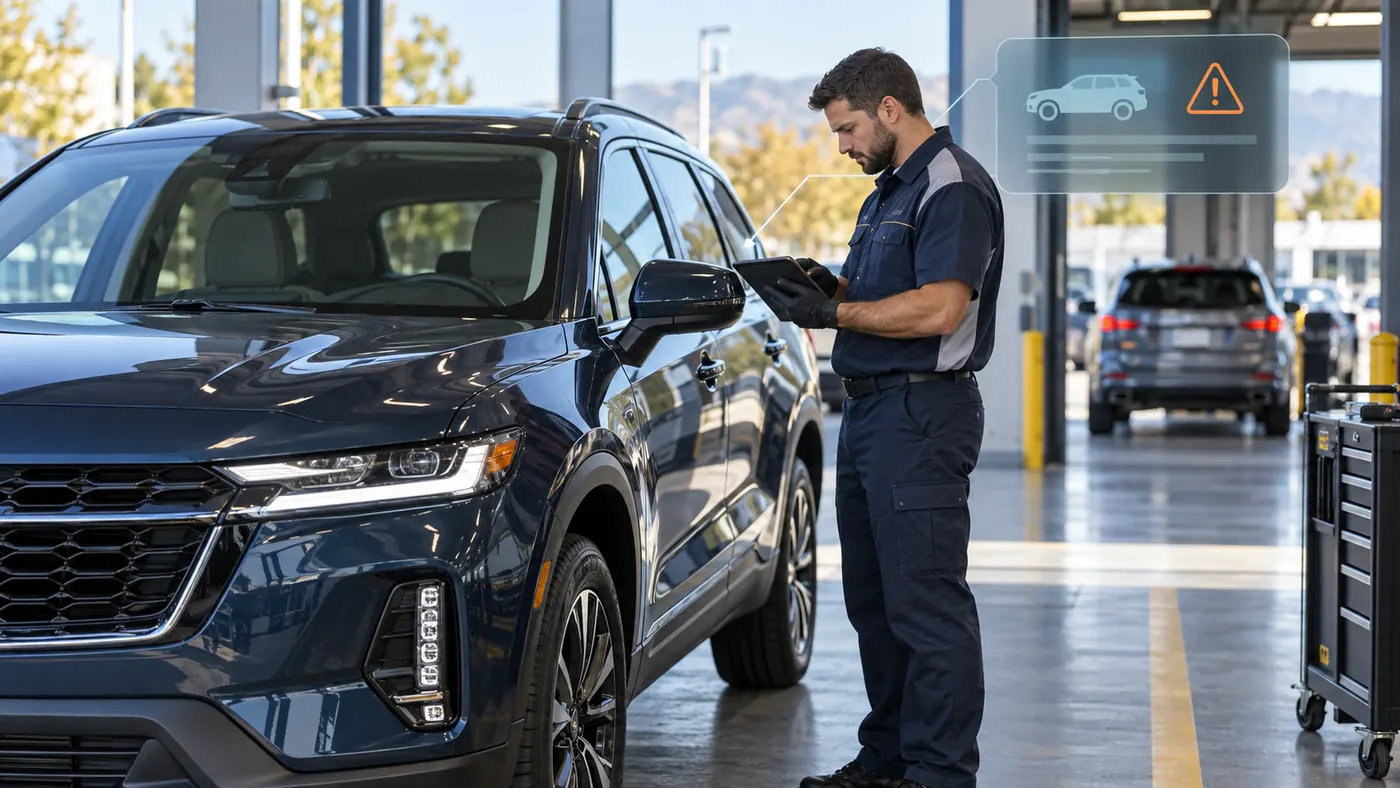
NHTSA Recalls Next: 7 Confirmed Facts
| Announcement | Federal Register notice published September 28, 2026 |
|---|---|
| Meeting date | November 5, 2026 |
| Location | DOT headquarters, Washington, D.C. |
| Registration deadline | October 29, 2026 |
| Public comments | Docket remains open through December 5, 2026 |
| Main goal | Improve safety-recall communication and completion |
| Important limit | The event will not be livestreamed or recorded |
Why Recall Completion Rates Matter
NHTSA says it administered nearly 900 vehicle safety recalls affecting more than 29.2 million U.S. vehicles in 2025. Those figures have remained generally stable for about five years, while the technology involved in modern recalls has become more complex.
A recall only reduces risk when the affected vehicle receives the remedy. Used vehicles are especially difficult to reach because the manufacturer may have outdated owner information. A car can change owners several times, move between states or be sold by a private party without the new driver immediately checking its VIN.
This is why recall completion rates matter to used-car buyers. A clean-looking listing does not prove every safety campaign was completed. Before purchasing, use the VIN on the dashboard and door label, compare it with the title, then run an official lookup. Carvul’s used-car inspection checklist explains how to combine record checks with a physical inspection.
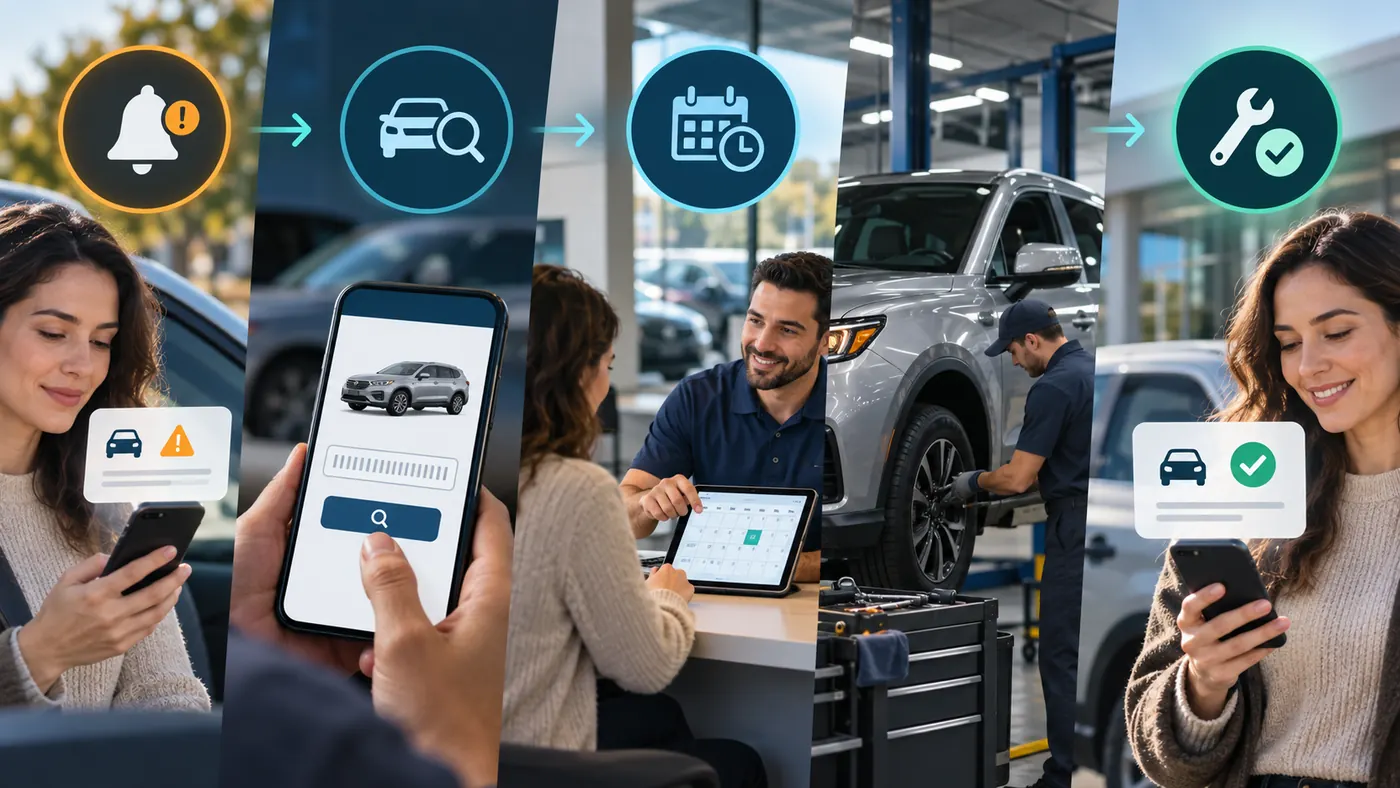
Vehicle Recall Technology NHTSA Wants to Examine
The notice identifies several tools that may reduce the time and burden of recall repairs. These include digital communications, connected-vehicle notifications, mobile repair, over-the-air updates and better use of recall data.
Digital recall alerts
Digital recall alerts can reach an owner faster than postal mail, but they still depend on accurate contact information and clear messages. A text, app alert or in-vehicle message should identify the affected vehicle, explain the safety risk and direct the driver to an official remedy channel without looking like a phishing attempt.
Connected vehicles and OTA repairs
Connected vehicles can potentially display a warning directly in the car. Some software-related defects may be repaired through an over-the-air update, although not every recall can be handled remotely. Hardware failures, inspections and part replacements still require physical service.
Mobile recall repairs
Mobile service can help owners who live far from a dealer or cannot easily leave a vehicle at a shop. The meeting will consider how these approaches can increase completion without weakening repair verification or technician safety.
What U.S. Vehicle Owners Should Do Now
- Find the 17-character VIN on the lower windshield, driver-door label, registration or insurance document.
- Use the official NHTSA recall lookup.
- Read the risk description and remedy status carefully.
- Call an authorized dealer and confirm parts and appointment timing.
- Keep the repair invoice or completion record with the vehicle history.
- Recheck the VIN periodically because new campaigns can be added later.
- Use NHTSA’s SaferCar app if you want ongoing alerts.
Owners should not pay a third party merely to discover whether an open safety recall exists. Official VIN lookup is free. If a remedy is not yet available, follow the manufacturer’s interim safety instructions and confirm updates with an authorized dealer.
For a vehicle being considered for purchase, use Carvul’s U.S. used-car buying guide and vehicle-history report guide. Recall status is one part of due diligence, not a replacement for title, crash-history and mechanical checks.
Frequently Asked Questions
Is NHTSA Recalls Next a new recall?
No. It is a public meeting about recall policy, communication and technology. Owners must search their own VIN to find vehicle-specific campaigns.
Can an OTA update fix every recall?
No. Software defects may sometimes be corrected remotely, but mechanical, structural and inspection-related remedies usually require dealer or mobile service.
Does a recall expire?
NHTSA states that a safety recall does not expire. Eligibility and remedy details should still be confirmed for the exact VIN with the manufacturer or authorized dealer.
Bottom Line
NHTSA Recalls Next highlights a practical problem: issuing a recall is not enough if owners never receive or complete the remedy. Better vehicle recall technology could improve communication, but drivers should continue using official VIN tools and keep their registration details current.
Sources reviewed September 28, 2026: Federal Register notice and NHTSA recall resources. Carvul images are editorial illustrations.