
Carvul U.S. Buyer Guide
This oil change schedule used car guide helps U.S. drivers set a realistic oil interval based on records, mileage, oil type, leaks, and driving conditions.
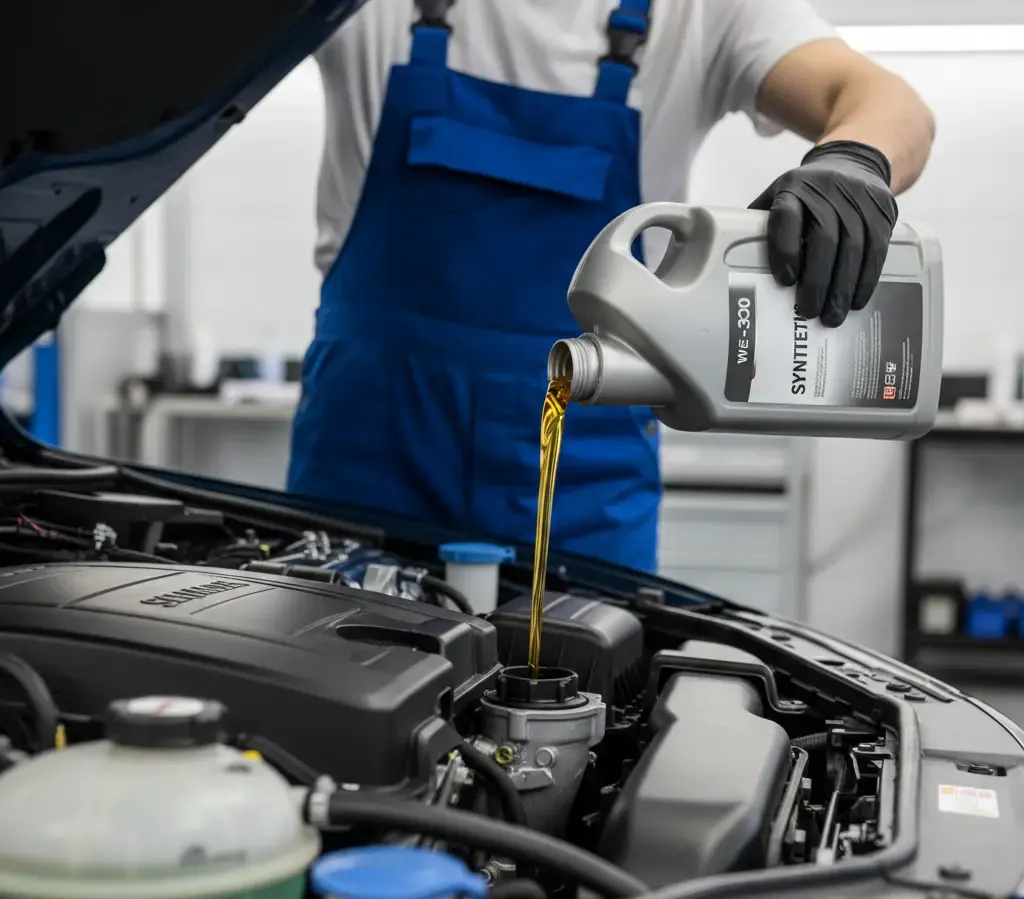
Best quick answer: oil change schedule used car works best when you use a clear checklist, fix safety items first, and keep maintenance records for every repair.
Table of Contents
Table of Contents
Key Takeaways
- Focus on real maintenance decisions, safety, and total ownership cost.
- Use practical U.S. driving conditions to plan service intervals.
- Use records, inspections, and mileage-based planning instead of guessing.
Why Oil Change Timing Is Different for Used Cars
A used car may have an unknown service history, older seals, higher mileage, and different driving conditions than a new vehicle. That makes the first oil service important. It creates a clean baseline and gives a mechanic a chance to look for leaks, sludge, or metal particles.
How Often Should You Change Oil?
Follow the owner manual first. Many modern vehicles can go longer than older cars, especially with full synthetic oil, but severe driving can shorten the interval. Short trips, extreme heat, towing, stop-and-go traffic, dusty roads, and long idle time all make oil work harder.
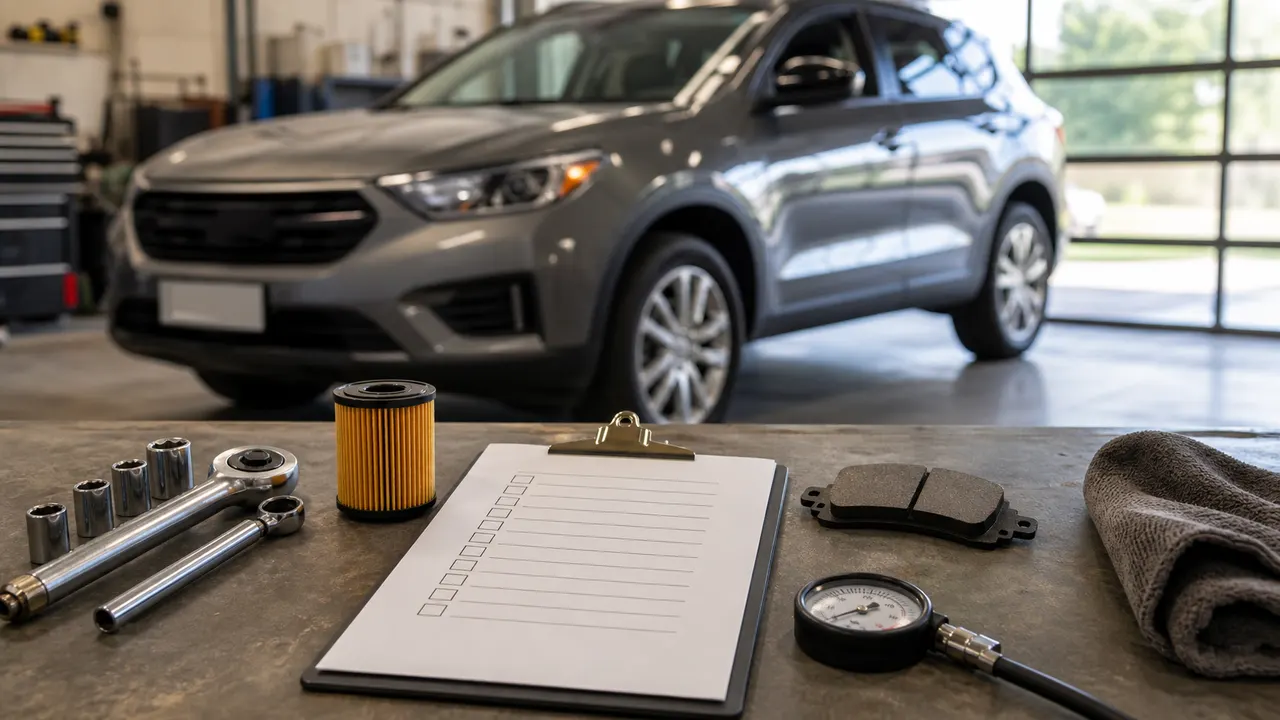
Signs the Oil Service Is Overdue
- Oil level drops between checks.
- Oil looks very dark, gritty, or smells burnt.
- The engine sounds louder than usual.
- Oil pressure or maintenance lights appear.
- There is no record of the last service.
What to Ask the Shop
Ask for the correct oil grade, filter quality, drain plug inspection, leak check, and reset of the maintenance reminder. Keep the receipt with mileage.
Do Not Use Oil Changes to Hide Bigger Issues
If a car burns oil, leaks oil, or has warning lights, changing oil alone does not solve the root cause. Diagnose before the repair becomes larger.
How to Build Your Own Oil Schedule
Start with the owner manual, then adjust for how the car is used. A commuter car that drives mostly highway miles may be easier on oil than a car used for short trips, rideshare work, towing, or stop-and-go city driving. If the car is new to you, use the first oil change as a baseline and write down mileage, oil type, filter brand, and date.
Oil Level Checks Between Services
Used cars can consume oil even when they do not leak visibly. Check the dipstick every few fuel fill-ups during the first month of ownership. If the level drops, track how many miles it takes. That information helps a mechanic decide whether the issue is normal consumption, a leak, PCV trouble, or something more serious.
| Driving pattern | Oil stress level | What to do |
|---|---|---|
| Short city trips | Higher | Check oil more often |
| Highway commuting | Moderate | Follow manual interval |
| Towing or mountains | Higher | Use severe-service guidance |
| Unknown history | Uncertain | Change oil and set baseline |
Oil Change Mistakes
- Using the wrong oil grade because it is cheaper.
- Forgetting to check for leaks after service.
- Ignoring low oil between changes.
- Resetting the reminder without doing the service.
- Throwing away receipts that prove maintenance history.
When Oil Problems Need Diagnosis
Blue smoke, burning smell, milky oil, metal flakes, heavy leaks, or oil pressure warnings need diagnosis. An oil change is maintenance; it is not a repair for internal engine problems.
Search Intent: How Often Should I Change Oil on a Used Car?
The best interval starts with the owner manual. After that, adjust for vehicle age, oil type, driving pattern, and service history. A used car with unknown records should get a baseline oil and filter change, then a documented schedule from that point forward.
Used-Car Oil Schedule Table
| Situation | Best action | Why |
|---|---|---|
| No records | Change oil and filter soon | Creates a baseline |
| Short trips | Check manual severe-service guidance | Moisture and fuel dilution can build up |
| High mileage | Check level between services | Older engines may consume oil |
| Oil leak visible | Diagnose leak before long trips | Low oil can damage the engine |
What U.S. Drivers Should Keep in the Glovebox
Keep the last oil receipt, oil grade, filter type, mileage, and date. A simple record helps you avoid guessing, helps a shop diagnose consumption, and improves buyer confidence if you sell the vehicle later.
When Oil Color Is Not Enough
Dark oil alone does not always mean the oil has failed, and clean-looking oil does not prove it is fresh. Mileage, time, driving conditions, and the correct specification matter more than color alone. If the car has sludge, burning smell, metal flakes, or pressure warnings, get diagnosis.
Common Oil Questions
American drivers often ask whether synthetic oil is necessary. The answer depends on the vehicle requirement, climate, driving conditions, and engine condition. Use the specification required by the manufacturer and avoid random oil thickening as a shortcut for leaks or consumption.
Useful Official Resource
Oil intervals depend on the vehicle, so use the owner manual first. If you are still evaluating the car purchase, the FTC used-car guidance can help you understand dealer paperwork and service promises.
Why Used Cars Need a Clear Oil Plan
An oil change schedule used car plan is important because the previous owner’s habits may be unknown. Even when the car looks clean, the service history may be incomplete. A fresh oil and filter change gives you a known starting point. After that, the goal is to follow the manufacturer schedule and adjust for real driving conditions.
Short Trips vs Highway Driving
Short trips can be harder on oil because the engine may not reach full operating temperature long enough to burn off moisture and fuel dilution. Stop-and-go traffic, delivery driving, rideshare work, and frequent idling can also stress oil. Highway commuting is often easier on the engine because temperatures are stable and the oil circulates consistently.
Oil Change Schedule Used Car Decision Table
| Condition | What it means | Action |
|---|---|---|
| Unknown service history | No reliable baseline | Change oil soon |
| Mostly city driving | More severe use | Use severe-service guidance |
| Oil level drops | Possible leak or consumption | Track mileage and diagnose |
| Oil pressure light | Potential engine risk | Stop and inspect immediately |
| Correct records | Known history | Continue the schedule |
Questions to Ask at the Oil Change Shop
- What oil grade does this vehicle require?
- Is the filter quality appropriate for the interval?
- Did the technician see leaks?
- Was the drain plug or oil pan damaged?
- Was the maintenance reminder reset after service?
High-Mileage Oil: Should You Use It?
High-mileage oil can be useful for some older engines, but it is not a magic fix. It may help condition seals in certain cases, but it will not repair worn rings, major leaks, or engine damage. Use oil that matches the manufacturer specification and ask a mechanic if the engine has consumption or leak issues.
Oil Records and Resale Value
Oil records are simple proof that the engine was cared for. Save receipts with mileage and date. If you sell the car later, consistent oil records can make the buyer more comfortable and support your asking price.
Oil Change Schedule Used Car: Seasonal Advice
Seasonal changes matter for many U.S. drivers. Cold weather can make starting harder and short trips more common. Hot weather can make cooling and oil condition more important, especially in traffic. Before summer or winter, check oil level, coolant level, battery strength, and any leaks around the engine.
How Oil Changes Connect to Other Maintenance
An oil change appointment is a good time to check more than oil. Ask the shop to look at tires, brakes, leaks, belts, hoses, and battery condition. This does not mean approving every service. It means using the appointment as a quick inspection point.
Used Car Oil Change Records
Keep oil records in a folder or phone note. Include date, mileage, oil grade, filter type, and shop name. If the vehicle starts consuming oil, those records help the mechanic understand the pattern. If you sell the vehicle, records help prove that the engine was maintained.
Final Oil Schedule Rule
The safest oil change schedule used car rule is to follow the manual, adjust for severe use, and check level between services. Do not wait for engine noise or a warning light to remind you.
Oil Change Schedule Used Car: What If You Drive Very Little?
Low mileage does not mean no maintenance. A used car that sits for long periods can still collect moisture in the oil, develop weak battery charge, dry out rubber parts, and create flat spots on tires. If you drive very little, follow the time interval in the owner manual, not only mileage. This is especially important for second cars, retired drivers, and vehicles used only on weekends.
Short drives can be harder on oil than longer trips because the engine may not stay hot long enough. If most trips are under ten minutes, check the manual for severe-service recommendations and keep an eye on oil level between changes.
How to Read an Oil Change Receipt
A useful oil receipt should show date, mileage, oil grade, oil quantity, filter, and shop name. If the receipt only says “service,” ask for more detail. Accurate records help prove maintenance and make it easier to troubleshoot oil consumption, leaks, or engine noise later.
Related Maintenance Guides
oil change schedule used car works best when the driver follows a clear inspection plan, fixes safety items first, and keeps records for every service.
Oil change schedule used car: practical owner note
A realistic oil change schedule used car plan starts with the owner manual, then adjusts for records, short trips, heat, cold, leaks, and oil level changes between services.
The best oil change schedule used car owners can follow is one they document every time, because receipts with mileage and date protect the engine and support resale value.
FAQ
Should I change oil immediately after buying a used car?
Yes if service records are missing or the oil condition is uncertain.
Is synthetic oil worth it for a used car?
It can be, if the vehicle manufacturer allows it and the car does not have unresolved leaks or consumption issues.
Can I rely on the dashboard oil light?
Use it as a reminder, but still check oil level manually between services.