
Carvul U.S. Buyer Guide
This 100k mile maintenance used car guide helps U.S. drivers decide what to inspect, what to repair first, and when a high-mileage car is still worth keeping.
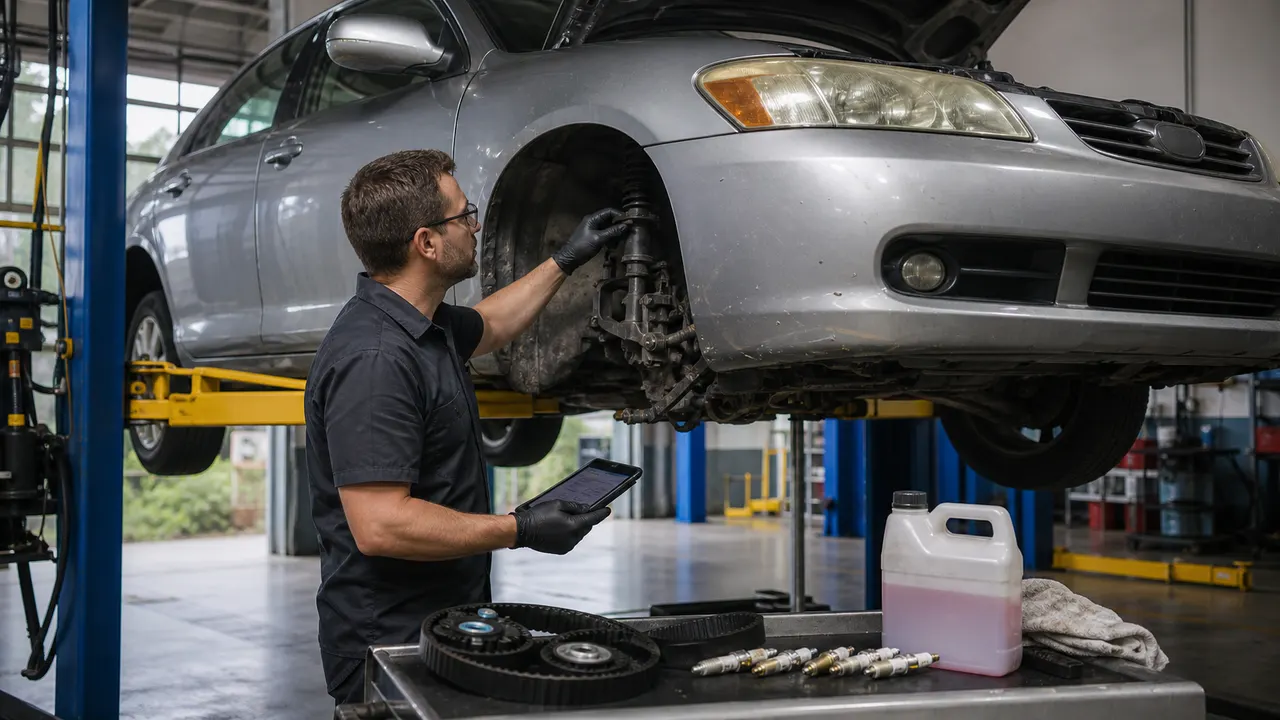
Best quick answer: 100k mile maintenance used car works best when you use a clear checklist, fix safety items first, and keep maintenance records for every repair.
Table of Contents
Table of Contents
Key Takeaways
- Focus on real maintenance decisions, safety, and total ownership cost.
- Use practical U.S. driving conditions to plan service intervals.
- Use records, inspections, and mileage-based planning instead of guessing.
Why 100,000 Miles Is a Decision Point
A car at 100,000 miles can still be reliable, but deferred maintenance becomes easier to see. The goal is not to replace every part. The goal is to confirm what is due, what is worn, and what can wait.
High-Priority 100k Checks
Review the owner manual, then check oil leaks, coolant condition, transmission service history, spark plugs, belts, hoses, brake wear, suspension, wheel bearings, and tire condition. If the car uses a timing belt, confirm whether it has been replaced on schedule.

Fluids and Filters
At this mileage, old fluids can create expensive failures. Ask about engine oil, coolant, brake fluid, transmission fluid, differential fluid, and power steering fluid where applicable. Use the factory specification, not a generic guess.
Suspension and Steering
Clunks, uneven tire wear, pulling, and vibration can point to worn shocks, struts, control arms, tie rods, or alignment issues. These are common ownership costs on higher-mileage used cars.
Budgeting the Work
Separate urgent safety repairs from preventive maintenance. Brakes, tires, overheating, and steering issues come first. Comfort items and cosmetic fixes can wait.
Service Records Matter More Than the Odometer
Two cars with 100,000 miles can be very different. One may have complete records, regular oil changes, new tires, and a recently serviced cooling system. The other may have the same mileage with skipped maintenance and hidden problems. When the odometer is high, records become the evidence that separates a smart buy from a repair project.
What to Ask Before Approving 100k Service
Ask the shop to inspect first and quote second. A blanket 100,000-mile package can include useful work, but it can also include services the vehicle does not need. Request photos, measurements, and fluid-condition notes. If a timing belt is involved, ask whether water pump, tensioner, and related parts should be done at the same time.
| System | 100k concern | Decision point |
|---|---|---|
| Engine | Leaks, plugs, belts | Inspect and compare with manual |
| Cooling | Old coolant, hoses, thermostat | Service if overdue or contaminated |
| Transmission | Unknown fluid history | Follow manufacturer guidance |
| Suspension | Wear and looseness | Repair safety and alignment issues first |
When a 100k Used Car Is Still a Good Buy
A higher-mileage car can still make sense if it has a clean inspection, consistent records, no major warning lights, good tires, healthy brakes, and a price that leaves room for maintenance. The mistake is spending the entire budget on the purchase price and having nothing left for the first repairs.
When to Walk Away
Walk away or renegotiate if the car overheats, shifts poorly, has severe rust, has repeated warning lights, lacks records on known expensive services, or needs tires, brakes, suspension, and engine work at the same time.
Search Intent: Is a 100k-Mile Car Still Worth It?
The American reader searching this topic usually has one big question: should I keep, buy, or repair a used car with 100,000 miles? The answer depends on condition and records. A well-maintained 100k-mile car can be a smart value. A neglected one can become a series of repairs.
100k-Mile Inspection Table
| Component | What to verify | Risk if ignored |
|---|---|---|
| Timing belt or chain | Replacement interval and records | Major engine damage on some cars |
| Cooling system | Coolant age, leaks, hoses, radiator | Overheating |
| Transmission | Fluid guidance and shift quality | Expensive drivability issues |
| Suspension | Struts, bushings, ball joints, alignment | Poor handling and tire wear |
| Brakes and tires | Measurements, age, condition | Safety and immediate cost |
What Not to Replace Automatically
Do not replace parts only because the odometer reached a round number. Replace parts because the manual says they are due, records are missing, or inspection shows wear. This keeps the budget focused and avoids unnecessary repairs.
Budget Advice for 100k-Mile Cars
If you are buying, keep money aside after purchase. A higher-mileage car may need tires, brakes, fluids, or suspension soon even when it drives well on the test drive. If the seller has no maintenance proof, negotiate as if baseline service is still due.
Good Signs at 100,000 Miles
- Consistent service records with dates and mileage.
- Clean fluids with no overheating history.
- No major warning lights.
- Even tire wear and stable highway tracking.
- Brakes measured with useful life remaining.
Useful Official Resource
For safety-related checks on a higher-mileage car, use official recall and safety information from NHTSA recalls before planning long trips.
How to Think About a 100k Mile Used Car
A 100k mile maintenance used car search usually comes from someone deciding whether a higher-mileage car is risky. The truth is that 100,000 miles is not automatically bad. It is a checkpoint. At this stage, rubber parts, fluids, suspension components, spark plugs, belts, tires, brakes, and batteries may all be in different conditions depending on how the car was maintained.
The best way to judge the car is to combine service records with a current inspection. Records show what happened in the past. The inspection shows what is happening now. When both are good, mileage becomes less scary.
100k Mile Maintenance Questions to Ask
- Was the timing belt replaced if the engine uses one?
- When were spark plugs last changed?
- Has coolant been serviced?
- Is there any transmission service history?
- Are brakes and tires recent or nearly due?
- Does the suspension make noise over bumps?
- Are there any oil, coolant, or transmission leaks?
100k Mile Maintenance Cost Priorities
| Priority | Repair type | Reason |
|---|---|---|
| 1 | Brakes, tires, steering, overheating | Immediate safety and drivability |
| 2 | Timing belt, coolant, leaks | Prevents expensive failures |
| 3 | Spark plugs, filters, battery | Improves reliability |
| 4 | Cosmetic or comfort repairs | Can wait until the car is stable |
When 100k Miles Is a Good Value
A 100k-mile used car can be a good value when it has a clean title, consistent oil service, no major warning lights, good tires, measured brake life, normal shifting, stable temperature, and a price that leaves money for maintenance. A car like this may offer lower depreciation than a newer vehicle while still being dependable.
When 100k Miles Is Too Risky
Be careful when the car has no records, multiple warning lights, overheating history, poor transmission behavior, severe rust, mismatched tires, or evidence of ignored leaks. One problem can be manageable. Several expensive problems together can erase the savings from buying used.
How to Maintain a 100k-Mile Car After Purchase
After purchase, avoid trying to fix everything in the same week unless safety requires it. Start with inspection, oil baseline, tires, brakes, battery, and recalls. Then plan fluids, plugs, belts, and suspension by urgency. This keeps the car reliable without creating a repair bill bigger than necessary.
How to Compare Two 100k-Mile Used Cars
When comparing two 100k-mile used cars, do not choose only by price. Compare maintenance records, tire age, brake condition, fluid history, accident history, and inspection results. A slightly more expensive car with strong records can be cheaper to own than a cheaper car with unknown maintenance.
What to Do After Buying a 100k-Mile Used Car
After buying, set a baseline. Start with oil and filter if records are unclear, check tires and brakes, test the battery, scan for codes, and inspect for leaks. Then plan bigger items according to the manual and inspection results. Do not wait for every problem to become urgent.
Common 100k-Mile Maintenance Mistakes
- Assuming high mileage means the car is bad.
- Assuming low price means good value.
- Skipping inspection because the test drive felt fine.
- Replacing parts before confirming they are due.
- Ignoring timing belt guidance on engines that use one.
The best 100k mile maintenance used car plan protects the engine, cooling system, tires, brakes, steering, and suspension first. Everything else comes after safety and reliability.
100k Mile Maintenance Used Car: Repair or Replace?
One of the hardest decisions for U.S. owners is whether to keep repairing a 100k-mile car or replace it. The answer depends on the total repair list, not one service item. If the car needs tires, brakes, timing belt, suspension, and transmission work at the same time, the total cost may be too close to the value of the vehicle. If the car needs only normal maintenance and has a clean inspection, keeping it can be the smarter financial move.
Use a simple rule: compare the repair estimate with the cost of replacing the car, including taxes, registration, insurance changes, financing, and the unknown maintenance on the next used car. A paid-off 100k-mile vehicle with good records can still be cheaper than starting over with another used car that has hidden problems.
Best Order for 100k Mile Maintenance
Start with safety and engine protection. First handle tires, brakes, steering, overheating, oil leaks, and warning lights. Second handle timing belt guidance, coolant, plugs, belts, hoses, and battery condition. Third handle ride quality, cosmetics, and comfort items. This order protects the vehicle without spending money on the wrong things first.
Related Maintenance Guides
- used car maintenance guide
- brake pad replacement cost for used cars
- car battery replacement warning signs
- used car maintenance checklist
100k mile maintenance used car works best when the driver follows a clear inspection plan, fixes safety items first, and keeps records for every service.
100k mile maintenance used car: practical owner note
A smart 100k mile maintenance used car plan starts with proof. Service records, current inspection results, and the factory maintenance schedule matter more than mileage alone.
For U.S. buyers, a 100k mile maintenance used car can still be a good value when safety items, fluids, timing components, brakes, tires, and suspension are checked before purchase.
FAQ
Is 100,000 miles too high for a used car?
Not always. Condition, service records, inspection results, and model reliability matter more than mileage alone.
What is the biggest 100k maintenance risk?
Deferred timing belt, coolant, transmission, brake, or suspension work can become expensive if ignored.
Should I buy a 100k-mile car with no records?
Only after a strong inspection and price adjustment for unknown maintenance.