
Carvul U.S. Buyer Guide
This brake pad replacement cost used car guide helps U.S. drivers understand estimates, brake warning signs, rotor costs, and what to ask a repair shop.
Best quick answer: brake pad replacement cost used car works best when you use a clear checklist, fix safety items first, and keep maintenance records for every repair.
Table of Contents
Table of Contents
Key Takeaways
- Focus on real maintenance decisions, safety, and total ownership cost.
- Use practical U.S. driving conditions to plan service intervals.
- Use records, inspections, and mileage-based planning instead of guessing.
What Affects Brake Pad Replacement Cost?
Brake costs vary by vehicle, parts quality, local labor rates, and whether rotors need resurfacing or replacement. A small commuter car usually costs less than a large SUV, truck, or performance vehicle.
Signs Your Used Car Needs Brake Service
Common signs include squealing, grinding, vibration, longer stopping distance, a soft pedal, pulling while braking, or a brake warning light. Grinding is urgent because it can damage rotors and raise the bill.
Pads Only vs Pads and Rotors
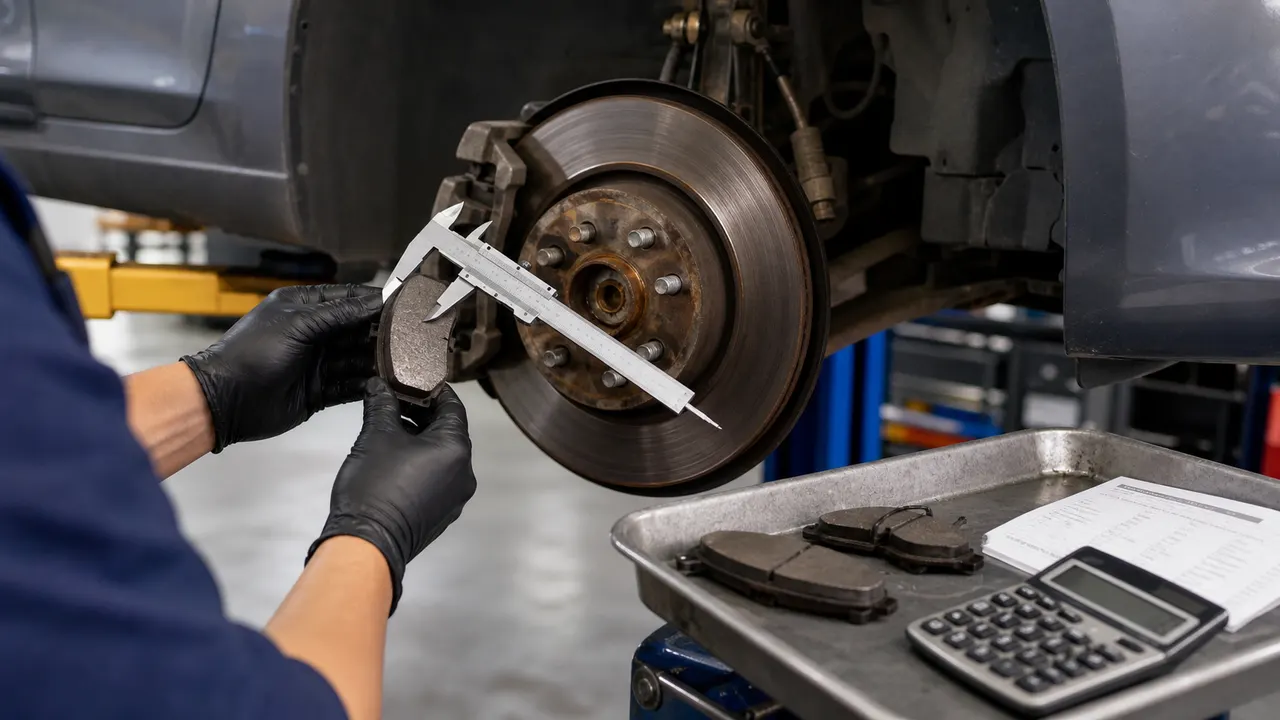
Some cars only need pads. Others need rotors because they are warped, scored, too thin, or heavily rusted. Ask the shop to show measurements before approving extra work.
How to Avoid Overpaying
- Get a written estimate with parts and labor separated.
- Ask for pad thickness measurements.
- Compare at least two quotes for non-urgent work.
- Use parts that match your driving style.
- Keep records for resale.
Safety Comes First
Do not delay brake repairs when stopping distance changes or grinding starts. Brake work is one of the few maintenance items where waiting can be both unsafe and more expensive.
How Shops Estimate Brake Work
A brake estimate usually includes parts, labor, shop supplies, and sometimes taxes or disposal fees. Pads are only one part of the job. Calipers, hardware, rotors, brake fluid condition, and electronic parking brake systems can change the final cost. This is why a phone quote can be different from the real estimate after inspection.
Questions to Ask Before Saying Yes
Ask the shop what the current pad thickness is, whether the rotors are within specification, whether the quote is for one axle or all four wheels, and what warranty applies to the parts. If rotors are included, ask why they cannot be reused. A trustworthy shop should be able to explain the reason clearly.
| Brake symptom | Possible cause | Urgency |
|---|---|---|
| Squeal | Wear indicator or pad material | Inspect soon |
| Grinding | Pad worn down or rotor damage | Urgent |
| Vibration | Rotor or suspension issue | Inspect soon |
| Soft pedal | Fluid, air, leak, or hydraulic issue | Urgent |
Brake Pads and Used-Car Buying
If you are evaluating a used car, brake condition should affect the offer. Worn pads, thin rotors, or brake vibration do not always mean the car is bad, but they are real costs. Use the inspection to negotiate or plan the first repair budget.
DIY vs Professional Brake Repair
Some experienced owners can replace pads safely, but brakes are not the place to learn casually. Incorrect installation can affect stopping distance. If you are unsure, pay a qualified mechanic and keep the receipt.
Search Intent: How Much Should I Pay for Brake Pads?
The reader is usually comparing a shop quote, planning a used-car purchase, or trying to decide whether brake noise is urgent. The honest answer is that cost depends on vehicle size, parts quality, labor, rotor condition, and whether the quote covers one axle or all four wheels.
Brake Estimate Checklist
| Ask the shop | Why it matters |
|---|---|
| Is this one axle or all four wheels? | Prevents quote confusion |
| What is current pad thickness? | Confirms the repair is needed |
| Are rotors included? | Changes the total bill |
| What parts grade is included? | Affects noise, dust, and warranty |
| Is brake fluid service needed? | Hydraulic issues are separate from pads |
How Brakes Affect Used-Car Negotiation
If a used car needs brakes soon, that cost should be part of the deal. Ask for pad and rotor measurements during inspection. Do not rely only on the seller saying the brakes are “fine.” Brake work is normal ownership cost, but it becomes a negotiation point if it is due immediately.
When Brake Noise Is Urgent
A light squeal can be a wear indicator, dust, or pad material. Grinding is different. Grinding can mean the pad is gone and the rotor is being damaged. If the pedal gets soft, the car pulls hard while braking, or the brake warning light appears, stop and diagnose quickly.
DIY Cost vs Shop Cost
DIY can save labor, but brakes require correct tools, torque, cleaning, bedding, and safety checks. If the vehicle has an electronic parking brake or rusted hardware, the job may be more complicated than it looks online.
Useful Official Resource
Brake problems affect safety. If the vehicle also has unresolved recalls, check the VIN through NHTSA recall lookup before committing to a repair plan.
Why Brake Pad Replacement Cost Changes So Much
Brake pad replacement cost used car searches usually happen when a driver hears noise or receives a shop estimate. The price can change because some vehicles need only pads, while others need pads, rotors, hardware, caliper service, or brake fluid work. Labor rates also vary by state, shop type, and vehicle design.
Brake Pad Replacement Cost Used Car Estimate Factors
| Factor | How it changes cost | What to ask |
|---|---|---|
| One axle or both | Doubles parts and labor if all four wheels | Which wheels are included? |
| Rotor condition | Can add major cost | Are rotors measured? |
| Vehicle size | SUVs and trucks may cost more | Are parts standard or heavy-duty? |
| Parts grade | Affects dust, noise, and warranty | What brand and warranty? |
| Electronic parking brake | May need scan tool procedure | Is extra labor included? |
Brake Inspection Before Buying a Used Car
If you are still shopping, brake condition should be part of the pre-purchase inspection. A car with thin pads, worn rotors, and old tires may need immediate money after purchase. That does not automatically make it a bad car, but it changes the real price.
How to Tell If a Brake Quote Is Fair
A fair brake quote explains what parts are being replaced, why they are needed, and whether the price is for one axle or all wheels. The shop should be able to give pad thickness or rotor measurements. A vague quote that simply says “needs brakes” is not enough information.
Safety Warning Signs
Grinding, a soft brake pedal, brake fluid leaks, pulling while braking, or a warning light should be treated urgently. These signs can affect stopping distance and should not wait for a routine appointment.
How to Maintain New Brake Pads
After replacement, follow the shop’s bedding guidance if provided. Avoid aggressive braking immediately unless safety requires it. Keep the receipt and ask the shop to note mileage, rotor condition, and warranty. This helps later if noise or vibration returns.
Brake Pad Replacement Cost Used Car: Negotiation Example
If a used car needs front pads and rotors soon, that repair should be included in the real purchase cost. For example, a car listed at a good price may not be a good deal if it immediately needs tires, brakes, and a battery. Ask for measurements and use the estimate to negotiate or plan the first-month budget.
How to Prevent Early Brake Wear
Brake life depends on driving style, vehicle weight, terrain, and traffic. Smooth braking, keeping proper following distance, and avoiding unnecessary hard stops can extend pad life. Mountain driving, heavy loads, and stop-and-go commuting can wear brakes faster.
What Brake Work Should Include
A complete brake job may include pads, rotor inspection, hardware cleaning or replacement, caliper slide lubrication, torque checks, and a road test. If only pads are replaced but hardware is stuck or rotors are damaged, noise and vibration may return.
Final Brake Cost Rule
The best brake pad replacement cost used car advice is to pay for measured proof. If the shop can show pad thickness, rotor condition, and the exact axle included, the estimate is much easier to trust.
Brake Pad Replacement Cost Used Car: Front vs Rear Brakes
Front brakes usually do more work than rear brakes, so they often wear sooner. However, some vehicles wear rear brakes quickly because of stability control systems, electronic parking brakes, or driving patterns. This is why a proper estimate should identify which axle needs work and why. Do not assume all four wheels need service unless measurements support it.
If a shop recommends all brakes, ask for pad thickness on each wheel and rotor condition. A clear answer helps you decide whether the work is urgent or whether one axle can wait.
Brake Fluid and Hidden Brake Costs
Brake pad cost is only one part of the braking system. Old brake fluid, seized caliper slides, damaged hoses, rusty hardware, or warped rotors can create extra cost. A good shop should explain these items separately. This helps the owner understand whether the estimate is a simple pad replacement or a larger brake repair.
After the Brake Job
After replacement, test the brakes gently in a safe area. Listen for noise, feel for vibration, and confirm the pedal feels normal. Some smell or light noise can happen briefly, but grinding, pulling, or a soft pedal needs immediate follow-up.
Related Maintenance Guides
brake pad replacement cost used car works best when the driver follows a clear inspection plan, fixes safety items first, and keeps records for every service.
Brake pad replacement cost used car: practical owner note
A fair brake pad replacement cost used car estimate should explain whether the quote covers one axle or all wheels, whether rotors are included, and what measurements prove the repair is needed.
For U.S. used-car buyers, brake pad replacement cost used car planning is part of the real purchase price when brakes are noisy, thin, vibrating, or close to replacement.
FAQ
How do I know if brake pads are bad?
Noise, grinding, vibration, thin pads, longer stopping distance, or brake warning lights are common signs.
Do used cars always need new rotors with pads?
No. Rotors should be measured and inspected before replacement is approved.
Can I drive with grinding brakes?
Avoid it. Grinding can reduce safety and damage rotors quickly.