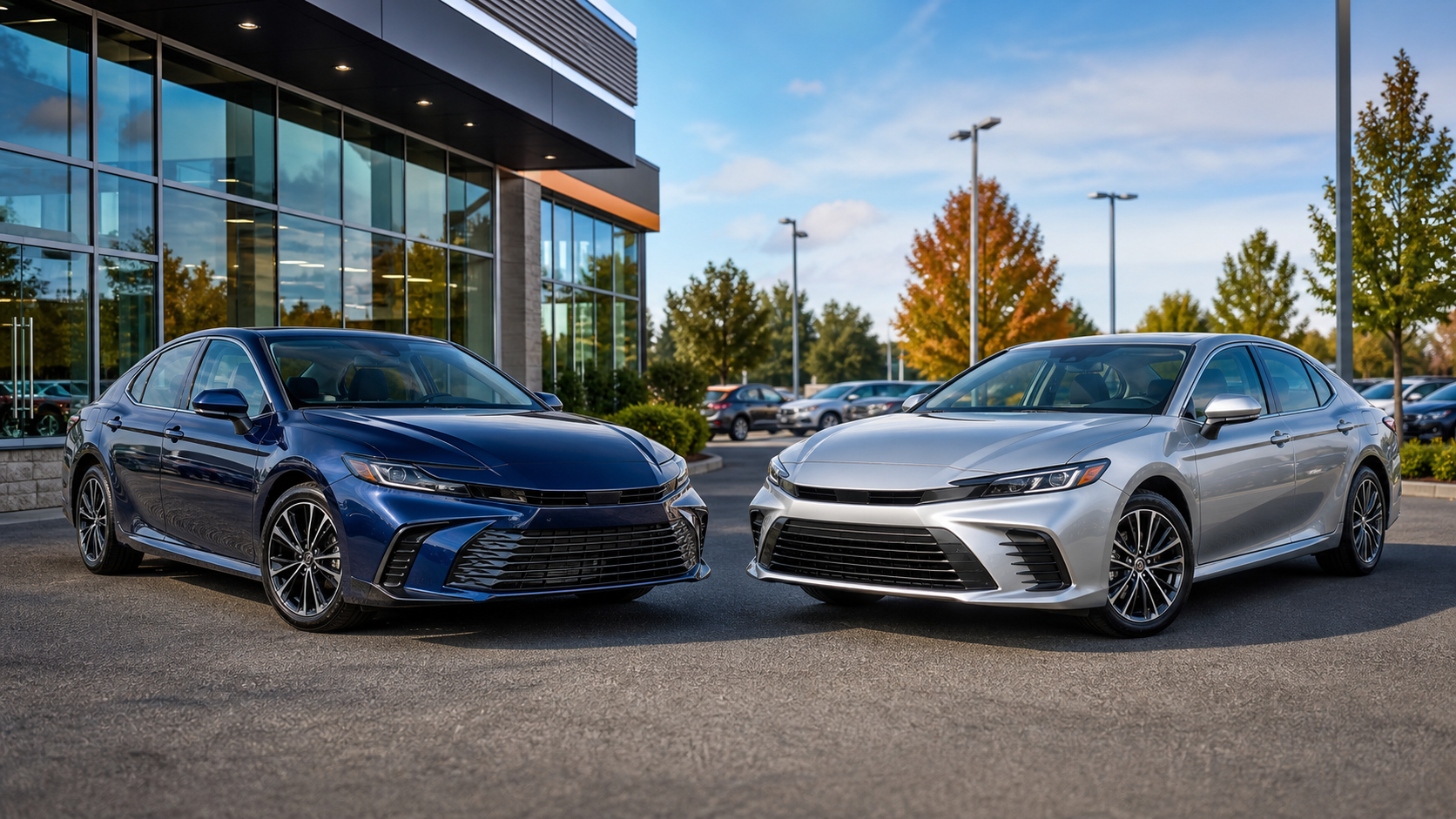
best car comparisons 2026: A smart comparison is not a spec-sheet race. U.S. buyers need to know which vehicle fits their commute, insurance budget, family use, winter weather, parking space, resale expectations, and long-term repair risk.
Quick Answer for U.S. Buyers
The best comparison is the one that starts with your real use case. A buyer who drives 18,000 miles a year in traffic should weigh fuel savings differently from a buyer who drives 6,000 miles a year on short suburban trips. A family hauling strollers, sports gear, and groceries should not use the same scorecard as a commuter who mainly wants low insurance and predictable repair bills.
| Buyer need | Best comparison to read | Why it matters |
|---|---|---|
| Family compact SUV | Toyota RAV4 vs Honda CR-V | Cargo, safety, hybrid options, and resale |
| Snowbelt crossover | Mazda CX-5 vs Subaru Forester | AWD confidence, visibility, and comfort |
| Commuter sedan | Toyota Corolla vs Honda Civic | Fuel cost, insurance, reliability, and easy parking |
| Midsize daily driver | Toyota Camry vs Honda Accord | Comfort, long-term value, and passenger space |
| Fuel-cost decision | Hybrid vs Gas Car | Payback period, driving pattern, and repair complexity |

How Carvul Scores a Car Comparison
A good car comparison starts with the job the vehicle has to do. A family crossover should be judged differently from a commuter sedan, and a hybrid should not be judged only by fuel economy. Carvul uses a practical buyer score built around ownership cost, safety research, reliability signals, driving comfort, insurance exposure, repair complexity, resale strength, and whether the vehicle remains easy to live with after the first month of excitement fades.
Before deciding, price insurance, check recall status, compare fuel economy from an official source, and inspect the exact vehicle if it is used. The model name can get you close, but the actual vehicle condition and ownership history can change the better choice.
Comparison Matrix: Start With the Buyer Type
The fastest way to choose is to match the vehicle to the driver before looking at trim names. A buyer with two child seats, a long commute, and winter roads has different needs than a single driver who parks downtown and wants low fuel cost. The right comparison should remove vehicles that do not fit the real use case, not simply crown the newest model.
Compact SUV Comparisons
Compact SUVs dominate U.S. shopping lists because they mix visibility, cargo space, fuel economy, and family flexibility. The strongest matchups usually involve Toyota RAV4 vs Honda CR-V and Mazda CX-5 vs Subaru Forester. These comparisons should focus on cabin use, all-wheel-drive needs, safety ratings, hybrid availability, and total cost rather than one headline feature.
Sedan Comparisons
Midsize and compact sedans still make sense for drivers who want lower purchase prices, better fuel economy, easier parking, and simpler ownership. Toyota Camry vs Honda Accord and Toyota Corolla vs Honda Civic remain important because these cars often serve commuters, first-car buyers, and families who do not need SUV cargo height.
Hybrid and Gas Comparisons
Hybrid vs gas is one of the most searched decisions because fuel savings are easy to imagine but harder to calculate. A hybrid can be excellent for city driving and high-mileage commuting, while a gas model may be simpler and cheaper for low-mileage drivers. The real answer depends on annual miles, local fuel prices, purchase premium, repair history, and how long the buyer plans to keep the car.
Safety Research Before You Buy
Do not treat safety as a marketing claim. Check crash-test ratings, driver-assistance performance, and open recalls before you buy. For a used vehicle, use the exact VIN because two examples of the same model can have different recall status, repairs, accident history, or previous ownership use.
Finance and Insurance Fit
Two cars with similar prices can have very different monthly ownership cost. Insurance quotes, loan terms, tire prices, depreciation, and repair history can change the better choice. Before signing, compare the full monthly cost with insurance and maintenance included, then decide whether the difference is worth it.
Used-Car Condition Can Beat Brand Reputation
Brand reputation matters, but condition decides the deal. A well-maintained model from a weaker reputation can be safer than a neglected version of a famous nameplate. Maintenance records, tire condition, brake life, battery health, and signs of collision repair deserve as much attention as the badge on the grille.
How to Use These Comparisons
Start with the comparison that matches your shortlist. Read the verdict, then check the table, ownership notes, and buyer action steps. If you are shopping used, pair the comparison with an inspection checklist and recall lookup. If financing matters, compare lender offers before discussing dealer add-ons.
Best Car Comparison Pages to Read Next
- Toyota RAV4 vs Honda CR-V – a focused buyer guide for that specific matchup.
- Mazda CX-5 vs Subaru Forester – a focused buyer guide for that specific matchup.
- Toyota Corolla vs Honda Civic – a focused buyer guide for that specific matchup.
- Toyota Corolla Cross vs Honda HR-V – a focused buyer guide for that specific matchup.
- Toyota Camry vs Honda Accord – a focused buyer guide for that specific matchup.
- Hybrid vs gas car – a focused buyer guide for that specific matchup.

Internal links for a safer purchase
- Use the used-car inspection checklist before trusting any comparison verdict.
- Compare monthly payment and total interest with the used-car financing guide.
- Estimate insurance pressure with the used-car insurance cost guide.
- Check upkeep risk in the used-car maintenance guide.
How to Compare Vehicles by Real Ownership Math
A vehicle comparison becomes much stronger when the buyer turns every major difference into ownership math. Start with the out-the-door price, then add estimated loan interest, insurance, fuel, registration, tire replacement, scheduled maintenance, and a reasonable first-year repair reserve. This is especially useful when two vehicles look close in purchase price. A compact SUV with higher insurance or more expensive tires can cost more over three years than a sedan with a slightly higher sticker price. The goal is not to predict every dollar perfectly. The goal is to avoid choosing from the monthly payment alone.
For U.S. buyers, the most reliable comparison method is to build a simple three-year cost picture. If you drive more miles than average, fuel economy and tire life deserve more weight. If you finance for a longer term, depreciation and negative equity deserve more weight. If you live in a high-insurance ZIP code, quotes can change the winner before the test drive even happens. This is why Carvul treats cost as a system rather than a single price tag.
How to compare safety without relying on marketing language
Safety pages from automakers are useful, but they should not be the only source. Compare crash-test research, driver-assistance behavior, visibility, braking feel, headlight performance, and recall history. A vehicle with many active safety features can still be frustrating if the alerts are intrusive or if the system is difficult to understand. During the test drive, try normal lane changes, parking, backing out of a space, and night visibility if possible. Safety is not only about features; it is also about whether the driver feels confident and alert behind the wheel.
Used vehicles add another layer. Two examples of the same model can have different recall completion, accident repair quality, tire age, brake condition, and warning-light history. Buyers should use the VIN for recall checks and ask for documentation when a repair was supposedly completed. If the seller cannot show proof, the buyer should treat the issue as unresolved until verified by a dealer or qualified mechanic.
How to compare reliability signals before buying used
Reliability reputation can help build a shortlist, but it cannot replace inspection. A vehicle with excellent reputation can still be a poor buy if it was neglected, used for rideshare work, repaired after a collision, or driven with overdue fluid service. Look for consistent maintenance intervals, matching tire wear, clean fluid condition, smooth cold starts, no warning lights, and no signs of overheating or water intrusion. These signs tell a buyer more about the actual vehicle than the badge alone.
A smart comparison also asks how easy the vehicle is to service locally. Some models have stronger dealer networks, more independent-shop familiarity, and easier parts availability. Others may be excellent vehicles but less convenient to repair in certain regions. Before buying, call a local mechanic or check service availability. That small step can prevent delays and surprise costs later.
How to compare family usability
Family usability is easy to underestimate because many comparisons focus on horsepower, screen size, or trim names. A family buyer should test door opening width, rear-seat access, child-seat fit, cargo floor height, stroller loading, rear visibility, climate-control reach, cupholder placement, and whether the cabin remains comfortable with real passengers inside. A vehicle that wins on paper may lose quickly if a child seat blocks the front passenger seat or if the cargo area cannot handle normal weekend errands.
For families, the better vehicle is usually the one that creates fewer daily compromises. Quiet ride quality, easy cleaning materials, simple controls, and predictable driver-assistance behavior can matter more than a slightly quicker engine. If two vehicles are close, the family should choose the one that handles the most stressful everyday use with the least friction.
How to compare commuter value
Commuters should put fuel cost, seat comfort, cabin noise, phone integration, driver visibility, and insurance ahead of emotional styling. A car used five or six days a week must be easy to live with in traffic, parking lots, and bad weather. If the commute is mostly highway, stable tracking and low cabin noise become more important. If the commute is mostly city, maneuverability, hybrid efficiency, braking feel, and visibility deserve more weight.
A commuter comparison should also consider fatigue. A vehicle that feels slightly sharper on a weekend test drive may not be the best choice for a long daily route. Seat shape, steering effort, climate controls, and infotainment simplicity can affect how tired a driver feels after months of ownership.
How to compare resale and depreciation
Resale value is useful, but buyers should not treat it as a guarantee. Market demand changes with fuel prices, interest rates, inventory, incentives, and consumer preferences. A vehicle with strong resale history can still lose value quickly if it has accident damage, high mileage, an unpopular trim, poor service records, or expensive upcoming maintenance. Resale should be part of the decision, not the whole decision.
The cleanest resale approach is to buy the vehicle that will remain attractive to the next buyer. That usually means a sensible trim, desirable color, complete service history, no unresolved recalls, no major cosmetic neglect, and maintenance kept current. Buyers who plan to sell in three to five years should weigh these factors before choosing a rare configuration that may be harder to move later.
How to compare technology and trim levels
Technology should solve a real problem. A larger screen, premium audio, panoramic roof, or advanced driver-assistance package can be valuable for some buyers and unnecessary for others. Higher trims can also mean higher insurance, more expensive glass, larger wheels, pricier tires, and more costly repairs. Before paying for a trim upgrade, ask whether the feature improves safety, comfort, resale, or daily convenience enough to justify the added cost.
During a test drive, use the actual controls. Pair a phone, enter a destination, adjust the climate system, use the camera, try the driver-assistance settings, and check whether common tasks require too many screen taps. If the technology distracts from driving, it may not be a real upgrade.
How to Make the Final Comparison Decision
After the research is done, reduce the decision to three questions: Which vehicle fits the daily job better, which vehicle has the cleaner total ownership cost, and which exact example has the stronger condition and documentation? If one vehicle wins all three, the decision is easy. If the answers are split, prioritize the factor that creates the biggest long-term risk for your situation.
A buyer with a tight budget should usually prioritize total cost and inspection results. A family should prioritize safety, space, and ease of use. A high-mileage commuter should prioritize comfort and fuel cost. A buyer planning to keep the car for a decade should prioritize maintenance access and long-term reliability signals. The best comparison is the one that points to a decision the buyer can still defend after the first repair bill, insurance renewal, and road trip.
Build a Weighted Car Comparison Scorecard
A useful scorecard reflects your life instead of treating every category equally. Give each factor a weight from one to five, then score each vehicle from one to five. Multiply weight by score and add the totals. A family may give safety and rear-seat access a weight of five, while a high-mileage commuter may give fuel cost and seat comfort the highest weight.
| Factor | Suggested questions | Evidence to collect |
|---|---|---|
| Daily fit | Does it solve the commute, parking, passenger, and cargo job? | Same-route test drive |
| Total cost | What will purchase, financing, insurance, fuel, and upkeep cost? | Written quotes and estimates |
| Safety | How does the exact model year perform and are recalls open? | IIHS, NHTSA, VIN lookup |
| Used condition | Are records, title, inspection, and mileage consistent? | Documents and independent inspection |
| Long-term fit | Will space, reliability, and resale still work in three years? | Ownership plan |
Keep the scoring honest. Do not give a favorite model extra points because of brand loyalty. If a category cannot be verified, mark it unknown and investigate before signing.
Start With Vehicle Type Before Comparing Brands
A comparison fails when the vehicle category is wrong. Before choosing between two models, decide whether you need a sedan, hatchback, compact SUV, midsize SUV, truck, hybrid, or EV. The right body style can remove several candidates before trim details become distracting.
Measure the garage, typical cargo, passenger count, child-seat needs, annual mileage, and winter conditions. A compact sedan can be cheaper to buy and operate, while a small SUV can improve cargo access and seating height. A larger SUV adds capacity but may increase fuel, tire, and insurance costs.
When two categories both work, compare the ownership penalty for the larger vehicle. Pay for extra size only when it solves a repeated need, not a once-a-year possibility.
How to Compare Equivalent Trims
Base-to-base comparisons are a starting point, but buyers often shop different equipment levels. Build a must-have list containing only features that affect safety, comfort, or daily use. Then compare the lowest trim from each model that includes those needs.
Check blind-spot monitoring, heated seats, parking sensors, power seats, wheel size, smartphone integration, roof equipment, and driver-assistance packages. A feature listed as available may not be installed on a specific car. Use the window sticker and VIN-specific equipment record.
Higher trims can add hidden ownership costs. Larger wheels usually mean more expensive tires, panoramic roofs add complexity, and premium lighting or glass can cost more after damage. The correct comparison uses out-the-door price and recurring cost, not the base MSRP displayed in an advertisement.
New vs Used Car Comparisons
New-car comparisons emphasize current specifications, warranty, incentives, safety technology, and dealer availability. Used-car comparisons emphasize model year, mileage, title history, maintenance, collision repair, recall completion, tire age, and inspection results. Do not apply a 2026 feature list to an older generation.
A used vehicle can beat a new one when depreciation savings are large and the inspection is clean. A new vehicle can be safer financially when used prices are unusually high, financing is better, or an older car needs immediate repairs. Compare the total three- or five-year cost under the same assumptions.
For every used finalist, review Carvul’s vehicle history report guide and complete the used-car inspection checklist. Condition can reverse a model-level verdict.
Compare Fuel Types With a Payback Calculation
Hybrid, gas, plug-in hybrid, and electric vehicles should be compared through the buyer’s real driving pattern. Annual mileage, city versus highway use, home charging, electricity price, gasoline price, purchase premium, incentives, and ownership period determine the result.
Calculate annual energy cost for each option, then divide any higher purchase price by the expected annual savings. That gives a simple payback estimate. It is not a complete forecast because insurance, maintenance, depreciation, and battery-related uncertainty also matter, but it prevents fuel economy from being treated as free money.
Low-mileage drivers may save too little fuel to justify a large premium. High-mileage city drivers may benefit more quickly from a hybrid. EV shoppers should verify home or workplace charging before relying on public infrastructure.
Finance and Dealer-Fee Comparison
Request written out-the-door quotes for the same configuration. Separate vehicle price, destination charge, taxes, registration, documentation fees, accessories, protection products, trade-in value, down payment, APR, and loan term. A low advertised price can become the expensive offer after add-ons.
Compare financing independently through a bank or credit union before visiting the dealer. Review Carvul’s out-the-door price guide and loan-rate guide. Negotiate the vehicle price and financing as separate decisions.
Never choose from monthly payment alone. A longer term can lower the payment while raising total interest and increasing the time spent owing more than the vehicle is worth.
Use One Route for Every Test Drive
Use the same route, seat position, passengers, and evaluation sheet for each finalist. Include city traffic, rough pavement, highway merging, braking, parking, and a tight turn. Test visibility, seat comfort, control layout, phone pairing, cameras, climate controls, and driver-assistance settings.
After each drive, score the vehicle before entering the next showroom. First impressions fade quickly, and similar interiors can blur together. Take photos of the window sticker and record tire size, trim, drivetrain, and quoted price.
If buying used, request a cold start and independent inspection. A short dealer loop cannot expose every vibration, leak, warning light, transmission issue, or highway-noise problem.
Compare Cars for Your Region and Climate
A national ranking cannot account for every ZIP code. Snow, heat, humidity, elevation, road salt, flooding, traffic, parking, fuel prices, electricity rates, and repair access can change the better vehicle. Weight the conditions you face every week more heavily than an occasional road trip.
Snow-belt buyers should compare winter tires, ground clearance, defroster performance, corrosion protection, and AWD behavior. Hot-climate buyers should test air conditioning, battery condition, cooling-system history, window tint compliance, and interior heat. Coastal shoppers should inspect for corrosion, while flood-prone regions require careful title and water-damage checks.
Service access matters too. A well-rated model may be inconvenient if the nearest qualified dealer is far away or local independent shops rarely service it. Check parts availability and routine-service pricing before buying an uncommon powertrain.
Insurance Can Change the Winner
Never assume two similarly priced vehicles will cost the same to insure. Repair complexity, theft and claims history, trim, powertrain, driver-assistance sensors, location, annual mileage, and driver profile can produce different premiums. Request quotes for the exact trims or VINs.
Compare liability limits, deductibles, collision, comprehensive, rental coverage, gap protection, and insurer discounts on the same basis. A cheap quote with reduced coverage is not a fair comparison. Also ask how glass, camera calibration, and advanced lighting repairs affect claims.
Insurance is not an SEO difficulty or a model-quality score; it is a buyer-specific ownership input. Review Carvul’s used-car insurance cost guide before selecting a winner.
Separate Reliability Evidence From Reputation
Online reputation is useful for discovering patterns, but it can mix model years, engines, transmissions, and owner expectations. Research the exact generation and powertrain. Look for repeated problems supported by technical information, service history, inspection findings, or multiple credible owner reports.
For used cars, maintenance evidence is stronger than a badge. Ask for dated records, compare mileage progression, inspect fluid condition, scan warning systems, and obtain a pre-purchase inspection. A neglected vehicle from a respected brand can be worse than a maintained example with an average reputation.
True organic keyword difficulty and vehicle reliability are also different concepts. Carvul comparisons use practical ownership evidence; they do not promise that any individual car will be trouble-free.
Accessibility and Passenger Fit
Drivers and passengers should test step-in height, seat range, door-opening width, head clearance, visibility, control reach, and cargo loading. Older adults may prefer a hip-height seat, while families may need wide rear doors and accessible child-seat anchors. Tall drivers should test rear-seat space behind their own seating position.
Bring mobility devices, child seats, or frequently carried cargo when possible. Published dimensions cannot reveal every pinch point. Check whether seats fold easily, the liftgate height works in your garage, and heavy items can be loaded without awkward lifting.
A vehicle that creates less physical effort every day may be the better long-term purchase even when another model wins on horsepower or screen size.
Build a Three-Car Shortlist Before Shopping
Keep one primary choice and two credible alternatives. Define the maximum out-the-door price, acceptable mileage, required features, preferred drivetrain, and walk-away conditions for each. Then collect at least three listings per model so one dealer cannot define the market for you.
Contact sellers with the same questions: VIN, title status, accident history, maintenance records, fees, installed options, recall completion, and inspection access. Put answers in one sheet. This makes vague claims and missing documents easier to spot.
After test drives and quotes, remove any vehicle that fails a must-have requirement. Score the remaining candidates with the same weights. The process should produce a defensible purchase, not merely a favorite.
Comparison Red Flags That Should Pause the Deal
- The VIN or trim does not match the advertisement.
- The seller refuses an independent inspection.
- The out-the-door quote includes unexplained products or fees.
- Recall status or title history cannot be verified.
- The payment is discussed without APR, term, and total interest.
- Warning lights are dismissed without diagnosis.
- The vehicle is presented as certified without clear program documents.
- A salesperson pressures you to decide before insurance and financing quotes arrive.
A comparison is valuable only if the underlying information is trustworthy. Pause whenever documentation, pricing, or vehicle identity conflicts.
Turn the Winner Into a Purchase Plan
Once a model wins, identify two backup trims and at least three comparable listings. Set a maximum out-the-door price, acceptable mileage, required features, inspection standard, and walk-away conditions. This prevents one scarce listing from controlling the negotiation.
For a used car, reserve money for tax, registration, inspection, tires, fluids, and first-year repairs. For a new car, compare factory warranty, dealer add-ons, financing incentives, and insurance. Recheck the VIN and paperwork immediately before signing.
The final choice should remain defensible after the excitement disappears: it fits the daily job, passes verification, and leaves enough budget to own responsibly.
Best Car Comparisons FAQ
What is the most important factor in a car comparison?
Total ownership fit. Price matters, but safety, insurance, fuel, maintenance, financing, and how the car fits daily use often decide the better choice.
Should U.S. buyers compare new cars or used cars first?
Start with your budget and use case. If depreciation and payment size matter most, used may be stronger. If warranty coverage and the newest safety features matter most, new may fit better.
Are brand comparisons enough?
No. Compare the exact model year, trim, mileage, condition, service records, recall status, and insurance quotes before deciding.
How many cars should I compare before buying?
Most buyers should narrow the list to two or three strong candidates, then test drive them, price insurance, and inspect the actual vehicle.
Where should I verify recalls?
Use NHTSA’s VIN recall lookup before purchase and again after ownership if a new recall is announced.
Final verdict
Use a comparison to narrow the field, then verify the exact vehicle. For U.S. buyers, the strongest choice is usually the model that fits daily life, passes safety and recall checks, keeps insurance realistic, and still makes sense after financing and maintenance are included.
For final verification, use official sources such as NHTSA recall lookup, IIHS safety ratings, EPA fuel economy data, and the FTC used-car buying guidance.

Pingback: California MyFirstEV Rebate: 7 Smart EV Buyer Checks