
Carvul U.S. Buyer Guide
This used car maintenance checklist helps U.S. buyers know exactly what to inspect after purchase, what to fix first, and what records to keep.
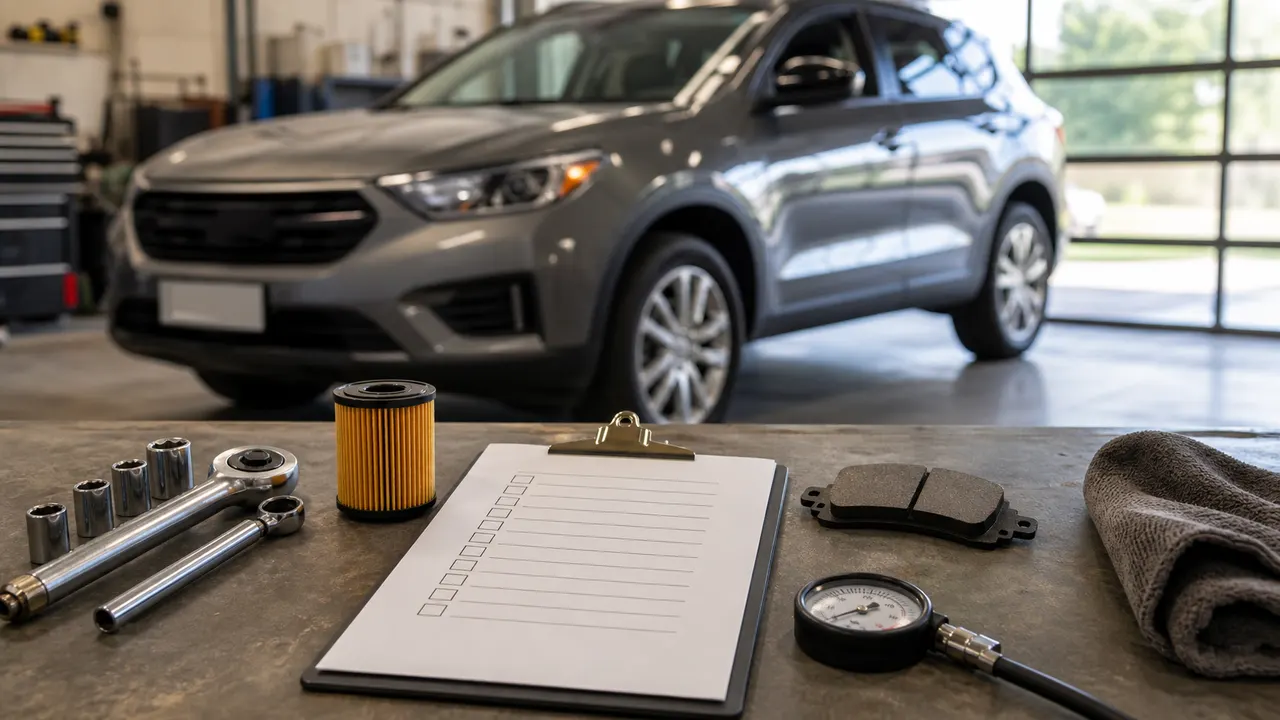
Best quick answer: used car maintenance checklist works best when you use a clear checklist, fix safety items first, and keep maintenance records for every repair.
Table of Contents
Table of Contents
Key Takeaways
- Focus on real maintenance decisions, safety, and total ownership cost.
- Use practical U.S. driving conditions to plan service intervals.
- Use records, inspections, and mileage-based planning instead of guessing.
What to Do in the First 7 Days
The first week is about safety and surprises. Check tire pressure, look for leaks under the car, test all lights, inspect wipers, confirm the spare tire or inflator kit, and listen for brake noise. Also verify the VIN for recalls before you settle into daily driving.
First 30-Day Used Car Checklist
- Oil level and oil-change date.
- Coolant level and signs of overheating.
- Brake pad thickness and brake fluid condition.
- Battery age, terminals, and starting strength.
- Tire tread depth, pressure, and uneven wear.
- Cabin filter and engine air filter.
- Service records, title documents, and warranty paperwork.
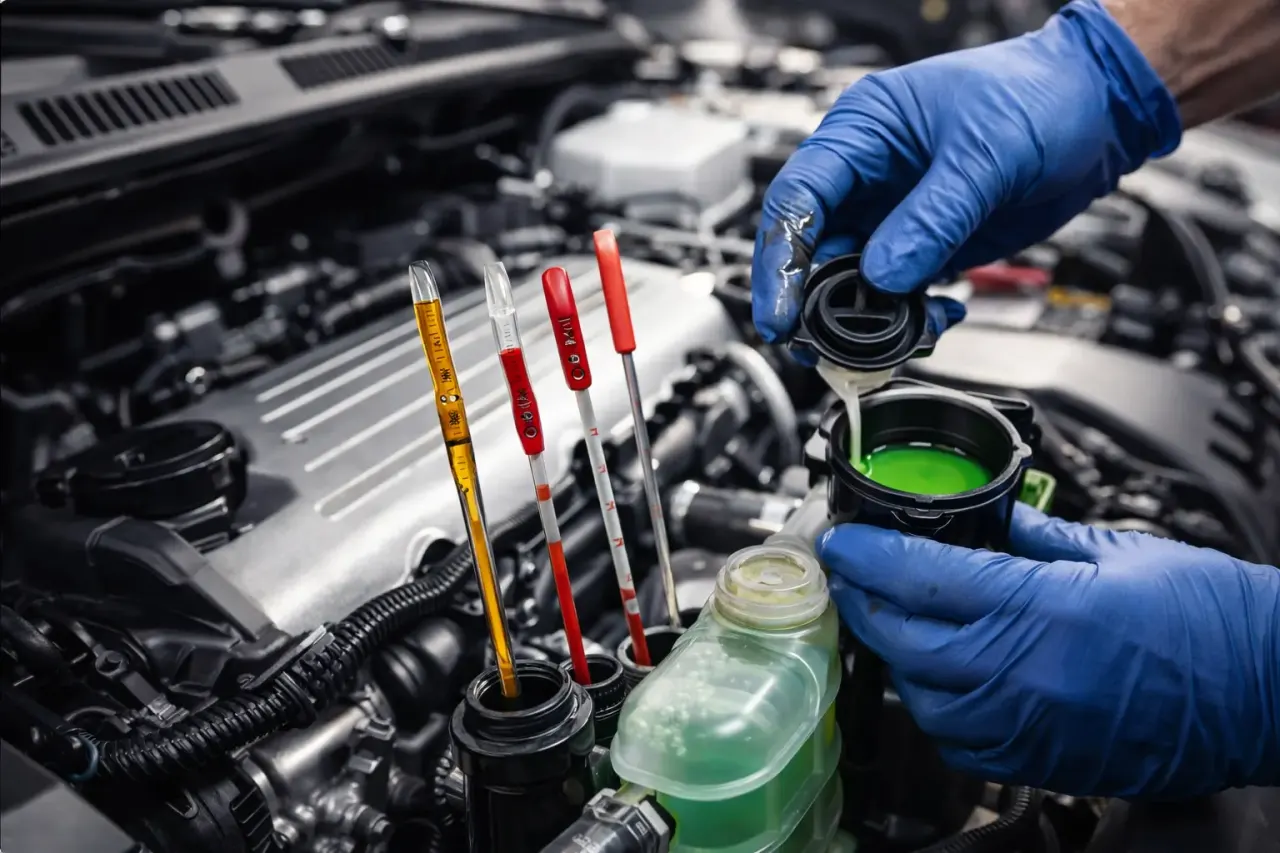
What to Replace If Records Are Missing
If the seller cannot prove recent service, start with oil and filter, engine air filter, cabin filter, wiper blades, and a full inspection. Do not automatically replace expensive parts until a mechanic confirms condition.
Red Flags After Purchase
Stop driving and diagnose quickly if you see overheating, oil pressure warnings, brake grinding, a strong fuel smell, steering vibration, or a flashing check engine light. These problems can become expensive fast.
How This Links to Your Buying Process
If you are still shopping, use Carvul’s used-car buying guides before purchase. If you already bought, this checklist becomes your first ownership plan.
Day-One Safety Walkaround
Before the first long drive, walk around the car in daylight. Look at tire sidewalls, headlights, brake lights, turn signals, windshield condition, wiper blades, mirror glass, and obvious leaks under the engine bay. This quick check catches the kind of problems that do not always appear during a short test drive.
First Shop Visit: What to Request
Ask the mechanic for a baseline inspection, not just an oil change. A good baseline inspection should include brake pad thickness, rotor condition, tire tread depth, tire age, suspension play, fluid leaks, belt condition, battery test, diagnostic scan, and a road test. Request measurements where possible, especially for brakes and tires.
| Item | Why it matters | Good action |
|---|---|---|
| Brake pads | Stopping distance and rotor damage | Measure thickness |
| Tires | Wet grip and alignment clues | Check tread, age, pressure |
| Battery | No-start risk | Load test |
| Fluids | Overheating and wear risk | Inspect level and condition |
Paperwork Checklist
Keep the bill of sale, title documents, registration paperwork, inspection receipt, warranty details, and any service records in one folder. For a used car, paperwork is part of maintenance because it helps you prove what was done and avoid paying twice for the same work.
30-60-90 Day Plan
In the first 30 days, fix safety issues and establish oil, tires, battery, and brakes. By 60 days, handle filters, alignment concerns, and small leaks. By 90 days, decide whether larger preventive work such as coolant, spark plugs, transmission service, or suspension repairs makes sense for the car and your budget.
American Buyer Intent: What This Checklist Answers
The search intent behind used car maintenance checklist is practical. The reader likely bought a vehicle recently or is about to buy one and wants a clear list, not theory. That is why this checklist focuses on first-week safety, first-month maintenance, and the repairs that can change the real cost of ownership.
Printable-Style Checklist
| Area | Check | Pass or action needed |
|---|---|---|
| Tires | Pressure, tread depth, date code, uneven wear | Inflate, rotate, align, or replace |
| Brakes | Noise, pad thickness, pedal feel, vibration | Inspect before long trips |
| Engine bay | Oil, coolant, belts, hoses, leaks | Set baseline service |
| Electrical | Battery test, lights, charging warning | Test before extreme weather |
| Paperwork | Receipts, title, warranty, recall check | Save records in one folder |
What to Ask the Seller or Previous Owner
Ask for the last oil change, last tire replacement, brake work, battery age, transmission service history, and any major repairs. If the seller says a service was done but cannot show a receipt, treat it as unverified. That does not always mean the car is bad, but it should affect your maintenance budget.
First Road Trip Rule
Before taking a newly purchased used car on a long trip, verify tire pressure, coolant level, oil level, brake feel, lights, wipers, and spare tire equipment. A short inspection before a highway trip is much cheaper than finding a problem far from home.
Recall and Safety Check
Use the VIN to check open recalls through official U.S. safety resources. Recalls are important because they can involve airbags, brakes, fuel systems, electrical faults, or other safety systems.
Useful Official Resource
Before relying on a seller’s promise, compare your paperwork with the FTC used-car buyer guidance, especially for warranties and dealer disclosures.
What This Checklist Should Catch Before It Gets Expensive
A used car maintenance checklist is not only about making a list. It is about catching the small signs that usually show up before a bigger repair. Low coolant can point to a leak. Uneven tire wear can point to alignment or suspension problems. A weak battery can become a no-start problem during heat or cold. Brake vibration can mean rotor or suspension issues. The checklist gives you a way to slow down and look at the car like a mechanic would.
First 24 Hours After Buying
During the first 24 hours, focus on safety and paperwork. Confirm insurance, registration requirements, title status, recall status, tire pressure, lights, and warning lights. Take photos of the odometer, tire condition, and any visible damage. Put every receipt in one folder. If the dealer or seller promised a repair, get it in writing.
First Mechanic Visit Checklist
| Ask for | Why it matters | What proof to request |
|---|---|---|
| Brake measurement | Stops surprise brake bills | Pad thickness and rotor notes |
| Battery test | Prevents no-start issues | Voltage/load test result |
| Fluid inspection | Finds neglect or leaks | Fluid condition notes |
| Tire inspection | Checks safety and alignment | Tread depth and date code |
| Diagnostic scan | Finds stored codes | Printed or written code list |
Used Car Maintenance Checklist for Families
If the vehicle will carry kids, commuters, or long-distance passengers, add a few more checks. Confirm the seat belts lock correctly, child-seat anchors are present if needed, rear doors open and lock correctly, rear lights work, and the spare tire tools are actually in the car. Also check cabin air filter condition because poor airflow can affect defogging in bad weather.
Common Checklist Mistakes
- Only checking the engine and ignoring tires or brakes.
- Trusting a verbal service claim without records.
- Skipping a recall check because the car drives well.
- Buying accessories before fixing safety items.
- Not checking tire age on a car with low mileage.
How to Use the Checklist When Negotiating
If you have not bought the car yet, use the checklist as a negotiation tool. Worn tires, weak battery, overdue oil, missing records, and brake wear are real costs. They do not always mean you should reject the car, but they should influence the final price or the repair agreement.
Used Car Maintenance Checklist for Long Trips
Before a long highway trip, repeat the checklist even if the car feels normal. Check tire pressure when cold, oil level, coolant level, brake feel, lights, wipers, washer fluid, and the spare tire or inflator kit. Also make sure the registration, insurance, and roadside assistance information are easy to find.
If the car is new to you, avoid making the first major drive before a mechanic has inspected it. A short city test drive may not reveal overheating, tire vibration, weak charging, or alignment issues that appear at highway speed.
How Often to Repeat This Checklist
Use the full used car maintenance checklist after purchase, before long trips, before seasonal weather changes, and any time the car starts making new noises. For normal ownership, repeat the quick version monthly: tires, fluids, lights, leaks, and warning lights.
What Makes This Checklist Different From a New-Car Checklist
A new car usually has known records and warranty support. A used car may have missing receipts, older tires, unknown fluid history, and worn parts from the previous owner. That is why this checklist focuses on proof and inspection, not assumptions.
Related Maintenance Guides
- used car maintenance guide
- oil change schedule for used cars
- used car tire maintenance guide
- brake pad replacement cost for used cars
Used car maintenance checklist: practical owner note
A useful used car maintenance checklist gives the buyer a clear first-month plan after purchase. It should cover tires, brakes, fluids, battery, recalls, records, lights, leaks, and the first mechanic inspection without turning the process into guesswork.
The best used car maintenance checklist is simple enough to repeat before long trips, seasonal weather changes, and any time the vehicle starts making a new noise.
FAQ
What should I check first after buying a used car?
Start with tires, brakes, fluids, lights, leaks, battery, and open recalls.
Do I need an oil change right after buying?
If there is no reliable receipt or maintenance record, an oil change is usually a smart baseline service.
Is a post-purchase inspection worth it?
Yes. A mechanic can catch brake, suspension, leak, and safety issues that are easy to miss at home.